
Acne Treatment Options: Choosing Medicines That Fit Your Skin

Acne treatment depends on the lesions you have, how much inflammation they cause, and whether they leave scars or persistent marks. A few clogged pores need a different approach from deep painful nodules. Skin sensitivity, previous treatment, pregnancy plans, and the time you can give a routine also matter.
You do not need to wait until acne becomes severe to ask for help. Earlier treatment can reduce discomfort and the chance of lasting changes, while a clear plan prevents the cycle of buying several products and abandoning them before they have time to work.
Identify what the treatment needs to address
Acne develops when a hair follicle becomes clogged with oil and dead skin cells. Bacteria and inflammation contribute to some lesions. Blackheads and whiteheads, red inflamed bumps, pustules, and deeper nodules reflect different parts of this process.
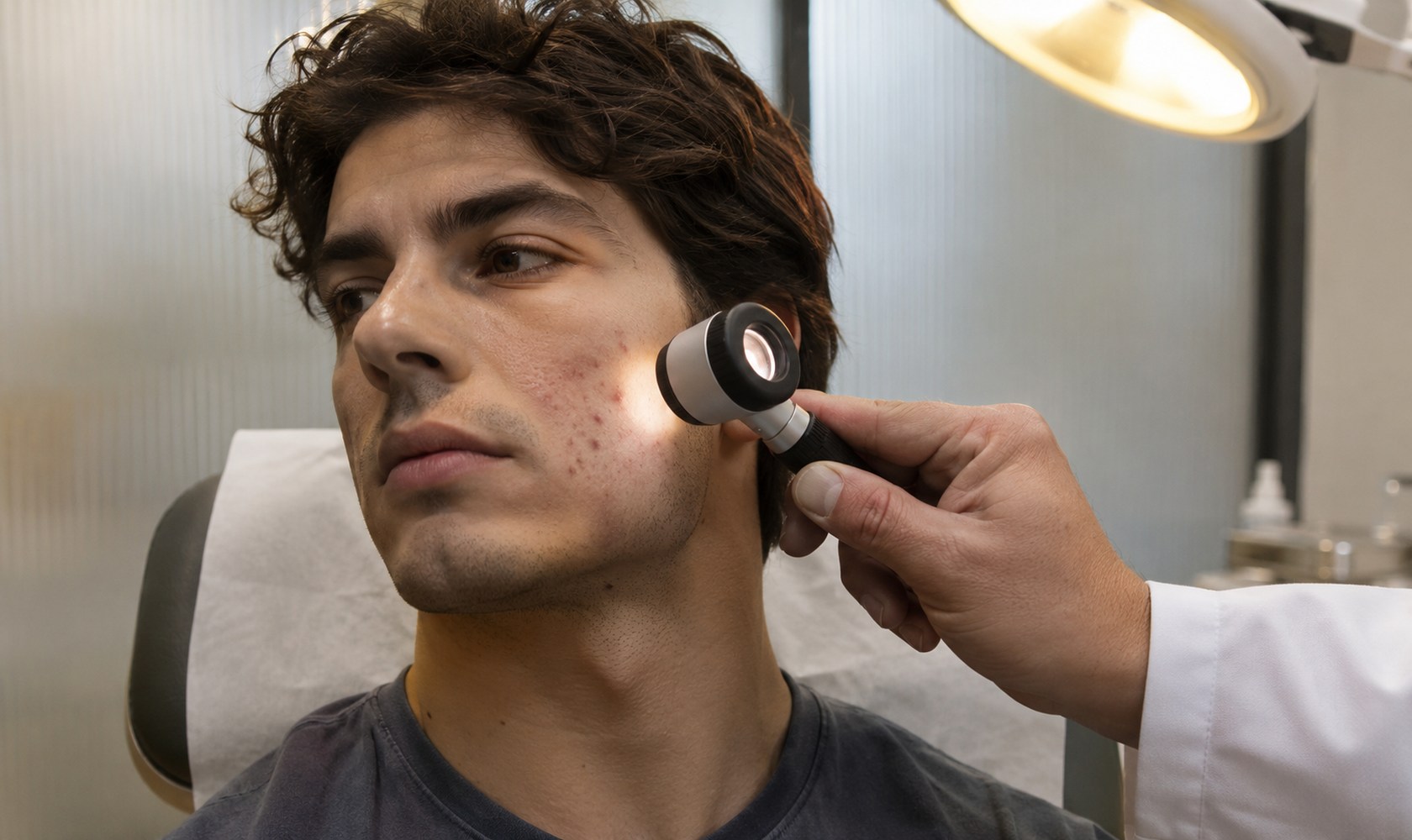
A clinician considers the face and any affected areas on the chest, back, or shoulders. They also look for scarring and ask how acne affects daily life. Pain, embarrassment, or avoidance can justify treatment even when someone else describes the number of spots as small.
Not every facial bump is acne. Rosacea, folliculitis, irritation, and other conditions can resemble it. If an acne routine repeatedly makes things worse or the pattern changes, an examination may help more than another stronger product.
Topical retinoids help keep pores from clogging
Adapalene, tretinoin, and tazarotene are examples of topical retinoids. They influence how skin cells behave within the follicle and help prevent new clogged pores. A clinician may use a retinoid as a main treatment or combine it with another medicine that addresses inflammation.
Dryness, stinging, peeling, and redness can occur, especially when you begin. The amount, frequency, and other products in the routine can affect tolerability. Follow the instructions for the actual medicine instead of assuming that applying more will clear acne faster.
A gentle cleanser, moisturizer, and sun protection can make treatment easier to maintain. Avoid adding scrubs, peels, or several new active ingredients at once. Tell the clinician about pregnancy or pregnancy plans before using a retinoid, because this can change the treatment choice.
Benzoyl peroxide and salicylic acid serve different purposes
Benzoyl peroxide helps reduce acne-related bacteria and inflammation. Products include washes and leave-on treatments at different strengths. A higher concentration can cause more irritation without necessarily providing a better fit for your skin.
It can dry or irritate the skin and bleach fabrics. Check how the product fits with towels, bedding, and clothing, and follow contact-time instructions if you use a wash. A reaction that causes marked swelling, hives, or breathing difficulty needs medical attention.
Salicylic acid helps reduce pore blockage and may suit some people with mild acne. It can still irritate, particularly when you combine it with other exfoliating products. It is not simply a rescue treatment that you should add whenever a retinoid seems slow.
Some adapalene formulations are also available without a prescription. Nonprescription availability does not remove the need to check instructions, age restrictions, pregnancy considerations, and the effect of combining products.
Use antibiotics as part of a defined plan
Topical antibiotics such as clindamycin can help inflammatory acne. Clinicians usually combine an acne antibiotic with benzoyl peroxide to reduce the development of resistance. Resistance can affect more than one antibiotic, so it is inaccurate to treat erythromycin as the only medicine with that concern.
Oral antibiotics, including doxycycline, minocycline, or sarecycline, may help more extensive inflammatory acne. The prescriber considers age, pregnancy, other conditions, and interactions before choosing one. Side effects and instructions differ between medicines.
An antibiotic should not become an indefinite stand-alone routine. Ask how long you will use it, which topical treatment continues alongside it, and what will maintain improvement afterward. Do not restart leftover tablets every time a few spots return.
Report problems such as severe stomach symptoms, a concerning rash, or other effects that begin after treatment. The clinician can assess whether to change the medicine rather than leaving you to stop and start it without a plan.
When isotretinoin enters the discussion
Oral isotretinoin can treat severe acne, acne that scars, or acne that has not responded adequately to other appropriate treatment. It reduces oil production and affects several processes involved in acne. A dermatologist weighs those benefits against the monitoring and precautions the medicine requires.
Dry lips and skin are common, and some people experience muscle or joint discomfort or other adverse effects. The clinician will review health history, other medicines, symptoms, and any blood tests needed for the individual treatment plan.
Isotretinoin can cause severe harm to a developing fetus. Pregnancy prevention and testing requirements therefore form part of prescribing for anyone who can become pregnant. Follow the current program and clinician instructions rather than relying on a previous course or another person's schedule.
Do not share tablets or combine isotretinoin with vitamin A supplements or other acne medicines without checking. New vision problems, severe headache, marked mood changes, or other concerning symptoms deserve prompt contact with the treating team.
Other prescriptions can address particular patterns
Azelaic acid can help some people with acne and marks that remain after lesions settle. A clinician may also consider hormonal treatment, such as spironolactone, for an appropriate patient. The choice depends on the pattern, medical history, other medicines, and pregnancy considerations.
A combination product can simplify a routine by pairing ingredients that address different acne mechanisms. Simpler does not mean you should add another product with the same ingredient. Bring the names or photographs of everything you use so the clinician can identify duplication.
Ask which treatment should cover the acne-prone area and which, if any, should target a particular lesion. A regimen designed to prevent new spots differs from repeatedly dabbing medicine on spots that already exist.
Put peels, sulfur, and botanical products in context
Sulfur products may help selected cases, but they can smell unpleasant or irritate skin. Formulation matters, and a foam does not automatically make a product suitable for every skin type. Check how it fits with the rest of the routine before adding it.
Alpha hydroxy acids such as glycolic acid appear in some skin products and chemical peels. A clinician may offer a peel in selected circumstances. Strong home peels can burn or worsen pigmentation, especially when you already use irritating medicines.
Tea tree oil has attracted research interest, but the evidence does not place it on the same footing as established acne treatments. Natural does not mean nonirritating. Concentrated oils can cause reactions, and an apparent improvement in a small study does not justify replacing a treatment that prevents scarring.
Diet and light treatments have limits
Some research links higher-glycemic eating patterns with acne, but the effect varies and diet is not the only cause. A balanced eating pattern may support health without turning acne into evidence that you ate incorrectly. Avoid restrictive diets that leave you short of nutrients.
Light and laser procedures may help selected patients, depending on the device, acne type, and treatment plan. They do not provide one universal replacement for medicines. Ask about expected benefit, number of visits, cost, downtime, and whether maintenance treatment will still be necessary.
Do not squeeze lesions or scrub the skin to remove acne. These actions can increase irritation and the risk of marks or scars. Gentle care and a consistent plan usually serve you better than repeatedly escalating the intensity of cleansing.
Give the plan time and review it deliberately
Many treatments need several weeks before you can judge the direction of change. Agree on a review point and ask which early effects are expected. That prevents both premature abandonment and prolonged use of a routine that clearly causes harm.
Keep a record of the products, strengths, frequency, and start dates. Photographs in similar lighting can help you compare change without checking every pore each day. Note tenderness, irritation, new scarring, and how much acne affects your confidence or activities.
At follow-up, ask what to continue, what to stop, and how to maintain improvement. Seek earlier advice for painful nodules, scarring, a severe reaction, or a treatment that you cannot tolerate. The next step should follow the pattern of your acne rather than the popularity of the latest product.
Sources
- American Academy of Dermatology. Acne clinical guideline. https://www.aad.org/member/clinical-quality/guidelines/acne
- American Academy of Dermatology. Acne: Diagnosis and treatment. https://www.aad.org/public/diseases/acne/derm-treat/treat
Related reading
Medical Disclaimer: This content is provided for informational and educational purposes only and does not constitute personalized medical advice, diagnosis, or treatment. Always consult a qualified physician or licensed healthcare provider with any questions regarding a medical condition or prescription medication. Read our Editorial & Medical Review Policy.