
Stendra and Alcohol: Blood Pressure Risks and Safer Decisions

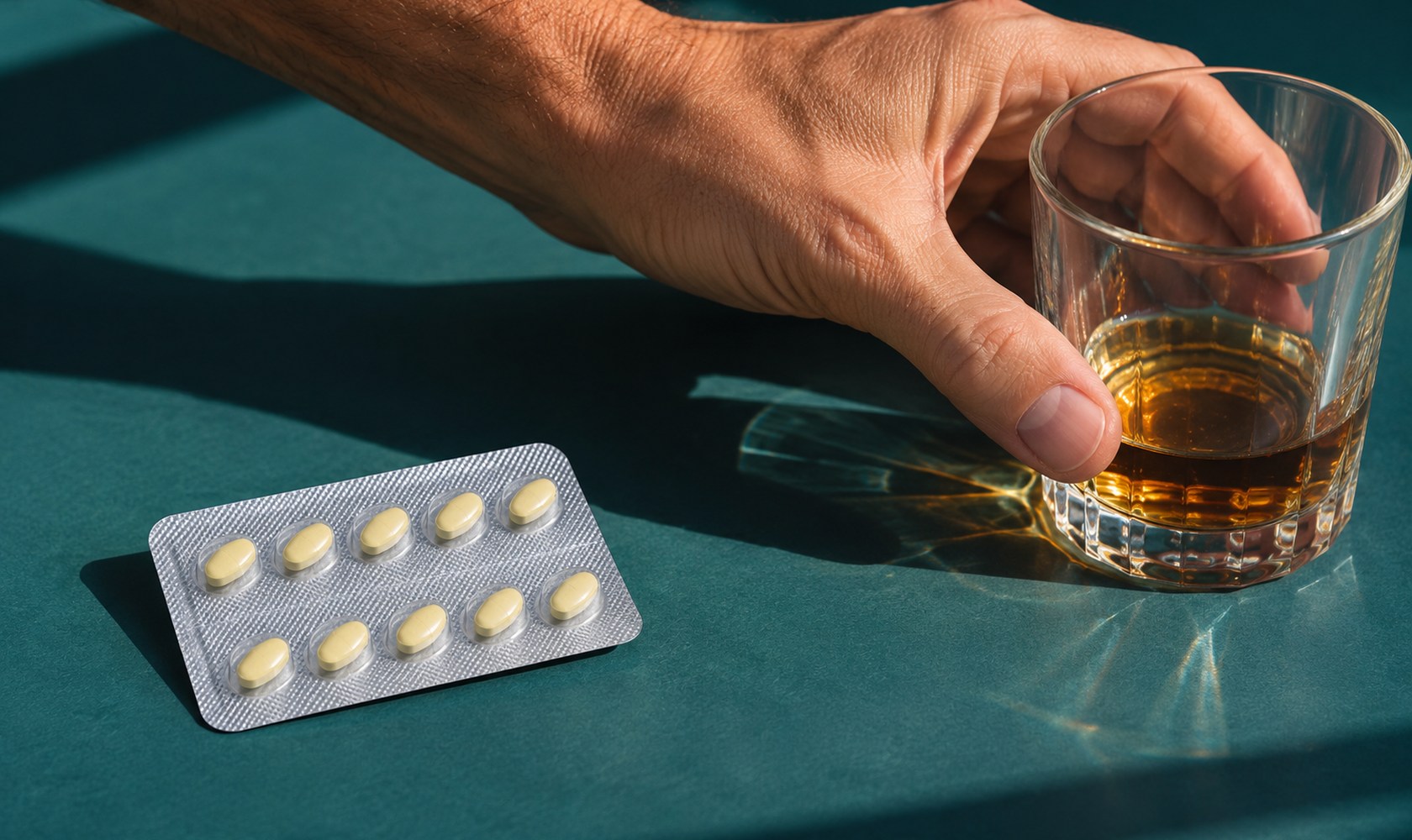
Stendra contains avanafil, a prescription treatment for erectile dysfunction. Alcohol can add to its blood-pressure-lowering effect. The combination deserves attention even when drinking feels like a routine part of a meal, date or evening at home.
Amount matters. So do your usual blood pressure, other medicines and previous reactions to alcohol. The prescribing information warns that substantial drinking, such as more than three units, can increase dizziness, headache, heart rate and a fall in blood pressure when you stand. That warning does not establish a universally safe allowance below that amount.
Why the combination can make you lightheaded
Avanafil belongs to the phosphodiesterase type 5 inhibitor family, often shortened to PDE5 inhibitors. Sildenafil and tadalafil act through the same general pathway. During sexual arousal, chemical signals relax smooth muscle and allow more blood to enter the penis. Avanafil helps that response by slowing the breakdown of cGMP, a signaling substance involved in smooth-muscle relaxation.
The medicine also has effects beyond penile tissue. It can widen blood vessels elsewhere in the body and produce a mild reduction in blood pressure. Alcohol can widen blood vessels too. When both effects occur together, the combined pressure change may exceed what either substance would cause on its own.
A person may feel reasonably comfortable while sitting and then become unsteady on standing. Clinicians call this orthostatic hypotension: blood pressure falls as you move into an upright position. The change can happen quickly, so a lack of warning while seated does not guarantee that walking across the room or climbing stairs will feel normal.
Heavy alcohol use also has longer-term effects on circulation and sexual function. A temporary fall in pressure after drinking does not mean alcohol treats high blood pressure. Repeated heavy drinking can contribute to hypertension and make erection difficulties harder to manage.
Symptoms that require a change of plan
The Stendra label identifies increased heart rate, lower standing blood pressure, dizziness and headache as possible effects of substantial alcohol consumption with the medicine. These symptoms can overlap with dehydration, intoxication or a usual medication side effect. Their overlap makes the cause harder to identify without a clinical assessment.
Do not use the absence of a dramatic reaction as permission to drink more. Lightheadedness can progress, and an episode that feels minor on a sofa can become dangerous beside a staircase, in a shower or while driving. Fainting can cause injury even when blood pressure recovers soon afterward.
| What happens | What to do |
|---|---|
| Mild lightheadedness when standing | Stop drinking, sit or lie down safely, and avoid driving or activities where a fall could cause harm. Contact a clinician if symptoms persist or recur. |
| A racing pulse or headache with weakness | Take the symptoms seriously rather than adding another drink or tablet. Ask for medical advice about the reaction. |
| Fainting, chest pain, breathing difficulty or severe confusion | Seek urgent medical assessment. Tell the care team when you took avanafil and how much alcohol you consumed. |
A marked fall in blood pressure can reduce the blood supply to organs. Emergency symptoms need prompt care; they should not lead to an attempt to manage the problem by guessing how much water, food or another medicine might reverse it.
How the alcohol warning applies to a real evening
The prescribing information uses more than three units as an example of substantial alcohol consumption. A glass at a restaurant or a drink mixed at home may contain more alcohol than one standard serving. A large wine pour and a cocktail with several measures of spirits can make a simple drink count misleading.
Discuss your actual pattern with the prescriber: what you drink, the usual serving size, how quickly you drink it and whether you sometimes consume more than planned. Accurate information helps a clinician assess risk. Describing all occasions as "social drinking" leaves out the details that determine exposure.
A smaller amount generally presents less alcohol-related risk than a larger amount, but reactions vary. Previous tolerance does not settle the question if your health, prescription or other medicines have changed. A person who tends to faint, has low blood pressure or already experiences dizziness needs an individual plan.
Practical ways to reduce avoidable risk
Avoiding alcohol on an occasion when you use Stendra removes this particular interaction. That may offer the clearest approach if you have had a previous pressure-related reaction or find it difficult to keep drinking within an agreed limit.
- Set the drinking plan before the occasion. Do not rely on making the decision after several drinks.
- Keep to the prescribed tablet strength and frequency. Alcohol does not justify a larger dose if an erection response disappoints.
- Have water available, while recognizing that hydration does not cancel the interaction or speed alcohol clearance.
- Ask the prescriber about other medicines that can also lower blood pressure, including alpha-blockers and some antihypertensives.
- Avoid driving or hazardous activity if alcohol, dizziness or the medication affects your alertness.
Water may help with fluid loss and some dehydration symptoms. It does not make an alcoholic drink less potent, guarantee normal blood pressure or establish that another drink is safe. Food and hydration should support an agreed plan rather than serve as antidotes.
Why a waiting period does not guarantee safety
Allowing time after drinking gives the body an opportunity to process alcohol. However, a rule such as "wait a few hours" cannot guarantee that alcohol has cleared or that the combination poses no risk. The amount consumed, the time over which you consumed it and individual differences all affect the situation.
Ask for guidance before an occasion rather than trying to calculate a safe interval while intoxicated. If you have consumed more than planned, avoiding the dose and contacting a pharmacist or prescriber for advice is more useful than improvising a schedule. Never make up for a skipped occasion with extra tablets later.
Stendra is an as-needed treatment. Its maximum recommended frequency is once a day, and your clinician may impose a different limit because of another medicine or a health condition. A short interval between sex, drinking and a previous tablet does not erase the earlier exposure.
Questions to take to the prescriber
Describe any history of fainting, unusually low blood pressure, cardiovascular disease or a strong reaction to modest amounts of alcohol. Bring a list of prescription medicines, supplements and recreational substances. Include treatments you use only occasionally, since an interaction can matter even when the medicine does not appear in your daily routine.
Ask whether avanafil fits your circumstances, whether a different dose or treatment would make more sense, and what symptoms should prompt urgent care. If alcohol regularly interferes with erections or exceeds the limits you intended, discuss the drinking pattern itself. Changing ED medicines alone may leave that problem untouched.
A follow-up should examine the actual experience: dose, timing, alcohol intake, erection response and side effects. Those details give the clinician a basis for adjustment. They also help distinguish an interaction from another cause of dizziness or a treatment that needs reconsideration.
Sources
- DailyMed. STENDRA - avanafil tablet. Prescribing information. https://dailymed.nlm.nih.gov/dailymed/drugInfo.cfm?setid=fa7d93e3-b69b-4e02-8146-89760cd8e9d6
- National Institute of Diabetes and Digestive and Kidney Diseases. Treatment for Erectile Dysfunction. https://www.niddk.nih.gov/health-information/urologic-diseases/erectile-dysfunction/treatment
Related reading
- Can You Take ED Medication Every Day? Daily and As-Needed Plans
- Erectile Dysfunction and Age: What Changes and What Can Help
- Erectile dysfunction treatment options
Medical Disclaimer: This content is provided for informational and educational purposes only and does not constitute personalized medical advice, diagnosis, or treatment. Always consult a qualified physician or licensed healthcare provider with any questions regarding a medical condition or prescription medication. Read our Editorial & Medical Review Policy.