
Birth Control Side Effects: Comparing Hormonal and Non-Hormonal Methods

Birth control can change bleeding patterns, affect symptoms such as cramps or acne and cause side effects that vary by method. The useful comparison concerns the actual product and how you plan to use it. "Hormonal" and "non-hormonal" describe broad groups, not two uniform experiences.
Name the priority. Pregnancy prevention, lighter periods, avoiding estrogen and reducing daily tasks may all matter, but one method may not meet every preference. Comparing benefits and drawbacks helps you choose a plan you can use and tolerate.
Match the method to the task it requires
Reversible contraceptive options include pills, patches, vaginal rings, injections, implants, hormonal and copper IUDs, and barrier methods such as condoms. Some require an action every day or around sex; others require less frequent attention. That difference can affect how reliably a method fits ordinary life.
Permanent contraception includes procedures such as tubal surgery and vasectomy. Fertility-awareness approaches, withdrawal and lactational amenorrhea have their own rules and limitations. They should not share a single effectiveness figure with an IUD or implant simply because none requires a daily combined pill.
Discuss how soon you might want pregnancy, how you feel about insertion or a procedure and which bleeding changes you would find acceptable. A review of side effects has more value when the clinician also understands what you want the method to do.
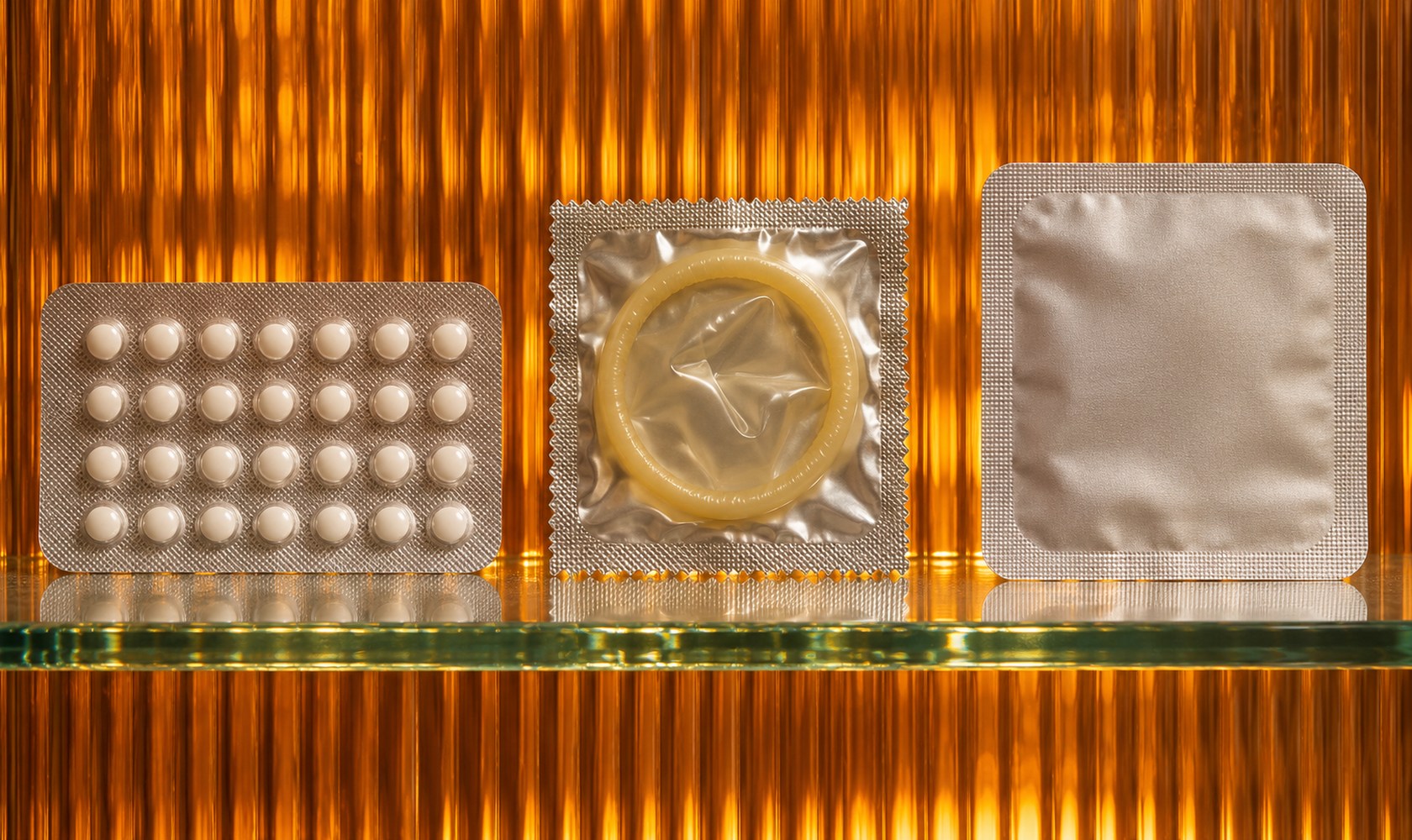
What hormonal contraception changes in the body
Combined contraceptives contain estrogen and a progestin; progestin-only methods contain no estrogen. Depending on the method, the hormones suppress ovulation, thicken cervical mucus or affect the uterine lining. Their main purpose involves preventing pregnancy rather than ending an existing one.
Hormonal methods include combined and progestin-only pills, patches, rings, the contraceptive injection, an implant and hormonal IUDs. The route and ingredients change the assessment. A person who dislikes one pill may still tolerate another method, while a medical contraindication can rule out an entire category.
Some people want the noncontraceptive benefits as well. A method may help reduce cramps, make bleeding lighter or improve acne. Those benefits do not occur uniformly, and a clinician should explain which ones to expect from the specific product.
Common symptoms worth tracking
Possible experiences include nausea, breast tenderness, headaches, changes in acne and irregular bleeding or spotting. Some people also report changes in mood or sexual interest. A symptom that begins after treatment deserves attention, but timing alone does not prove that the contraceptive caused it.
Bleeding changes can mean lighter periods, unpredictable spotting or fewer bleeding days, depending on the method. Ask what pattern commonly occurs with your choice and which changes need review. A person who values lighter bleeding may view an effect differently from someone who wants a predictable monthly pattern.
Weight concerns also require a method-specific discussion. Most hormonal contraception lacks a clear causal link with substantial weight gain, while the DMPA injection can cause weight gain in some users. Do not assume that a statement about one method applies to every contraceptive.
Keep brief notes on timing, severity and impact. A headache that stops you working, nausea that prevents you taking the next dose or a mood change that affects daily life provides more useful information than a general report that you feel different. Tell the clinician about symptoms that persist or worsen.
Estrogen-related risks need a separate assessment
Estrogen-containing contraception can increase the risk of blood clots and some cardiovascular events. A history of clots, smoking at age 35 or older, certain migraines, uncontrolled hypertension and other conditions can change whether the method fits. The clinician should review those issues before prescribing.
Progestin-only pills, implants and hormonal IUDs do not contain estrogen. They still have eligibility considerations and possible side effects. Avoid treating every hormonal method as if it carried an identical clot risk, or every estrogen-free method as if it had no limits.
Seek emergency care for sudden chest pain, shortness of breath, coughing up blood or sudden weakness, speech difficulty or vision changes. Unexplained swelling or pain in one leg also needs prompt assessment. Report the contraceptive you use instead of assuming that a severe symptom belongs to the expected adjustment period.
Non-hormonal methods have their own drawbacks
Condoms, diaphragms, cervical caps, spermicides, contraceptive gels and copper IUDs avoid contraceptive hormones. That can appeal to someone who wants to avoid hormone exposure or has a reason not to use a hormonal method. It does not remove the need to compare effectiveness and tolerability.
Barrier products or spermicides can cause irritation or an allergic reaction. Some users of diaphragms or caps experience urinary symptoms or infections. A copper IUD can increase cramping or menstrual bleeding, particularly during the early period of use.
Non-hormonal does not mean less effective across the board. A copper IUD and a condom have very different typical-use performance and maintenance requirements. Compare the specific method rather than applying one percentage to every hormone-free choice.
Condoms offer protection against some sexually transmitted infections as well as pregnancy. Other methods do not necessarily provide that additional protection. Ask whether using condoms alongside another contraceptive fits the risks you want to address.
Manage a side effect without losing pregnancy protection
Ask whether the symptom often settles, whether a change in routine might help and how long to wait before reassessment. Sleep, regular meals and activity can support health, but they do not replace a medication review when a side effect disrupts your life.
Do not stop or change a dose without considering pregnancy protection. A clinician may suggest continuing during assessment, changing the product or switching methods. The timing of the switch can determine whether you need a temporary backup method.
Check instructions after vomiting, persistent diarrhea, a late pill or a delayed patch or ring change. These situations concern use and effectiveness as well as tolerability. Different products have different rules, so keep the leaflet for your actual prescription.
Use the consultation to choose what you can live with
Bring your health history, medication list and the name of any method you previously tried. Explain which side effects prompted a change and which benefits you want to keep. Mention smoking, migraines and relevant cardiovascular or clotting history even when you mainly want advice about bleeding or skin.
Discuss practical barriers such as irregular shifts, refill costs, travel or difficulty attending repeat appointments. A method's effectiveness on paper matters less if its schedule repeatedly conflicts with your life. Ask how the service will handle questions, replacement prescriptions and follow-up.
Before leaving, confirm how to begin the chosen method, what changes you can expect and which symptoms warrant earlier review. Keep the instructions somewhere you can find them when a missed step or side effect creates a question.
Sources
- Centers for Disease Control and Prevention. U.S. Medical Eligibility Criteria for Contraceptive Use, 2024. https://www.cdc.gov/mmwr/volumes/73/rr/rr7304a1.htm
- American College of Obstetricians and Gynecologists. Facts Are Important: Hormonal Birth Control. https://www.acog.org/advocacy/facts-are-important/hormonal-birth-control
- American College of Obstetricians and Gynecologists. Progestin-Only Hormonal Birth Control: Pill and Injection. https://www.acog.org/womens-health/faqs/progestin-only-hormonal-birth-control-pill-and-injection
Related reading
- Smoking and Birth Control: Estrogen Risks, Vaping and Other Options
- Missed a Birth Control Pill? What to Do Depends on the Tablet
- Health Guide
Medical Disclaimer: This content is provided for informational and educational purposes only and does not constitute personalized medical advice, diagnosis, or treatment. Always consult a qualified physician or licensed healthcare provider with any questions regarding a medical condition or prescription medication. Read our Editorial & Medical Review Policy.