
Cialis Dosage: Daily and As-Needed Tadalafil Regimens

Cialis dosing depends on why you take tadalafil, whether you use it daily or before sex, and which health factors affect safety. The usual ED regimens use 2.5 mg or 5 mg daily, or 5 mg to 20 mg as needed. A clinician chooses the amount and interval; the strongest tablet does not automatically offer the best result.
Follow the schedule. A daily prescription and an on-demand prescription create different patterns of exposure, even when both contain the same ingredient. Do not move between them or add tablets without discussing the change.
Start with the reason for treatment
Cialis treats erectile dysfunction, symptoms of benign prostatic hyperplasia, and ED with BPH. Tadalafil also appears in separate products for pulmonary arterial hypertension. These conditions require different treatment decisions and can involve different doses.
For ED, tadalafil inhibits PDE5 and helps preserve a chemical signal that relaxes smooth muscle during arousal. That supports blood flow into the penis. It does not create sexual desire or guarantee an erection without stimulation.
For BPH, treatment can improve selected urinary symptoms. A clinician should first consider other causes of frequency, urgency, a weak stream, or incomplete emptying. Tadalafil does not replace an assessment for pain, blood in the urine, recurrent infection, or inability to pass urine.
PAH affects blood vessels in the lungs and needs specialist management. A tadalafil dose used for that condition does not establish a safe higher dose for ED. The name of the ingredient alone cannot determine the correct regimen.
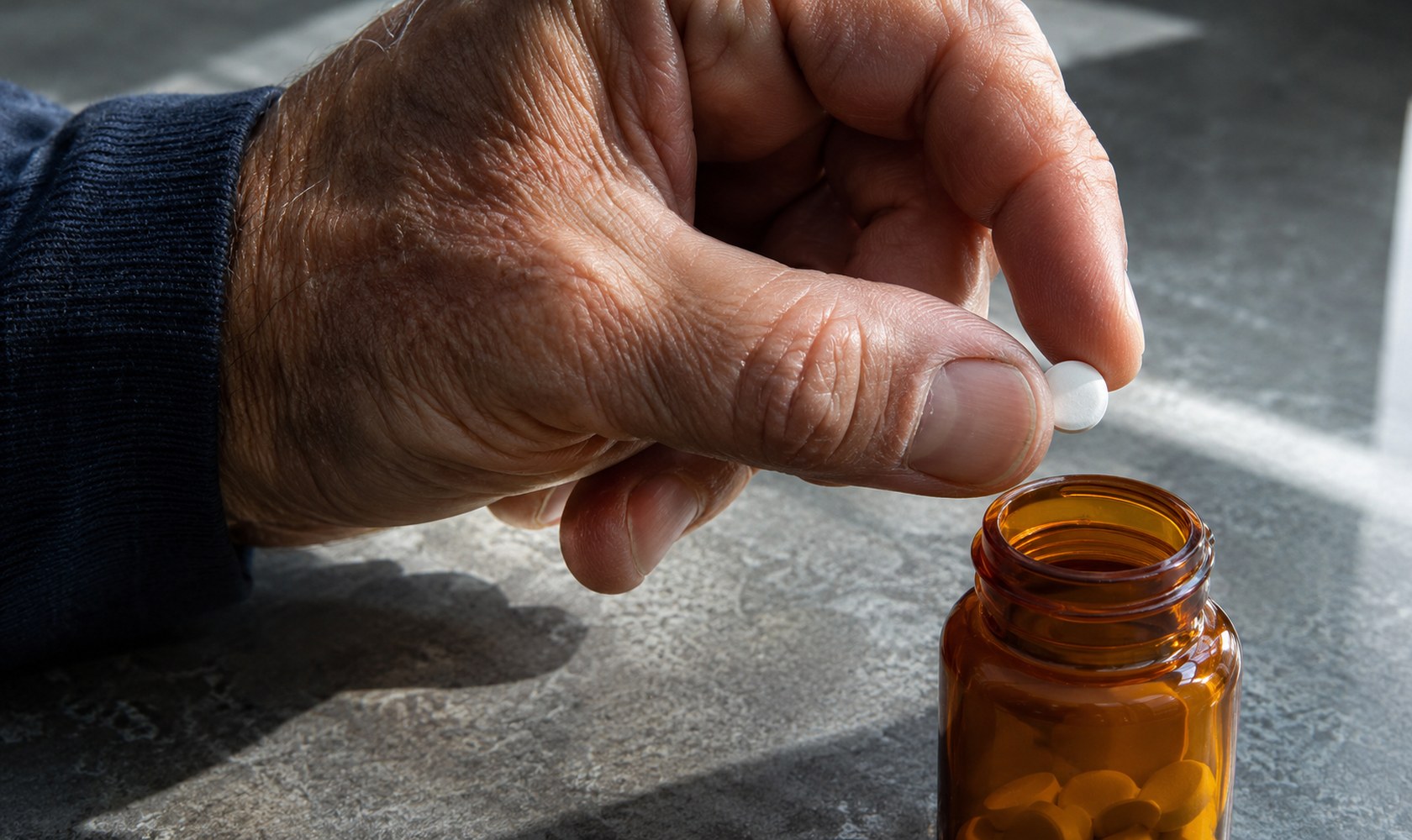
The main ED dosing options
| Regimen | Common starting point | Possible prescribed adjustment |
|---|---|---|
| ED as needed | 10 mg before anticipated sexual activity | Reduce to 5 mg or increase to 20 mg according to response and tolerability |
| ED once daily | 2.5 mg at approximately the same time each day | Increase to 5 mg when appropriate |
| BPH or ED with BPH | 5 mg once daily | Review organ function, interactions, and the treatment indication |
| PAH using an appropriate tadalafil product | A specialist may use 40 mg once daily | Follow the separate PAH prescription, without adding ED tadalafil |
These are common label regimens rather than a personal prescription. Kidney or liver disease, interacting medicines, low blood pressure, and other clinical factors may require lower limits or make a particular schedule unsuitable.
The standard Cialis tablet strengths include 2.5 mg, 5 mg, 10 mg, and 20 mg. The strength describes the amount inside one tablet. The prescribed dose describes what you should take, and the schedule describes when you should take it. Keep those three details separate when reading the label.
Taking Cialis as needed
Many adults start with 10 mg before anticipated sexual activity. If the response remains inadequate and the patient tolerates treatment, the prescriber may increase it to 20 mg. Troublesome adverse effects may lead to a reduction to 5 mg or a different approach.
Allow the lead time recommended by your clinician. Tadalafil can begin helping within about 30 minutes, but practical response varies and some people find that more time works better. Standard tablets reach peak blood concentrations across a broad interval, with a median around two hours.
The possible benefit lasts much longer than the onset period. An as-needed dose can improve erectile function for up to 36 hours, allowing sexual activity at different points without a new tablet for every encounter. That window does not mean an erection lasts continuously.
Do not take another dose because sex happens later than expected or because the first attempt fails. For most patients, the maximum frequency is once per day, but some prescriptions require a longer interval. Read the actual instructions rather than using the general maximum as a target.
Taking Cialis every day
Daily ED treatment commonly starts at 2.5 mg. The clinician may increase it to 5 mg after considering benefit and tolerability. Take it at approximately the same time each day, regardless of whether you expect sex.
Tadalafil's long half-life allows repeated low doses to maintain exposure. It commonly takes about five days to reach steady-state concentrations. Some people notice benefit earlier, but the first dose does not represent the full daily regimen.
A daily schedule can reduce the need to think about medicine before intimacy. It may suit people who have sex frequently or spontaneously. Someone with infrequent, planned encounters may prefer on-demand treatment instead, provided the clinical circumstances allow it.
Daily exposure also keeps interaction precautions relevant throughout the week. Skipping one tablet does not instantly remove tadalafil left from previous doses. Tell a clinician about the daily prescription before accepting a new medicine or emergency chest-pain treatment.
BPH and combined ED/BPH treatment
The common Cialis regimen for BPH is 5 mg once daily. The same daily amount may address ED and BPH together. A clinician needs to establish the diagnosis and review whether the patient's other treatments make tadalafil appropriate.
A person with urinary symptoms may already take an alpha-blocker such as tamsulosin. Combining treatments can increase the risk of low blood pressure, and the relevant prescribing precautions differ according to the indication. Do not add tadalafil merely because both medicines concern the prostate.
Finasteride treats BPH through a different mechanism. When a clinician starts a combined plan, ask what each medicine should achieve, how long the combination should continue, and when symptoms need reassessment. Shared treatment goals do not make every combination interchangeable.
If urinary symptoms worsen, do not increase tadalafil independently. New retention, visible blood, pain, fever, or recurrent infection can indicate a problem that requires a different assessment rather than a higher ED dose.
Why 40 mg and 80 mg are not ED options to try
The usual maximum as-needed ED dose is 20 mg, and the daily ED regimen does not exceed 5 mg under the standard instructions. Taking 40 mg doubles the usual on-demand maximum. Taking 80 mg multiplies it further without establishing a dependable improvement in erections.
Higher exposure can increase headache, indigestion, flushing, back or muscle pain, dizziness, and more serious adverse effects. A person may still have ED because arousal, nerves, circulation, anxiety, or another contributor remains untreated.
Tadalafil 40 mg has a role in PAH under specialist direction. The separate indication does not make that amount an approved ED regimen. Do not use another person's PAH prescription or combine two products because their boxes carry different names.
If you already took more than prescribed, avoid further ED medicine and obtain prompt professional guidance. Emergency symptoms include chest pain, fainting, breathing difficulty, sudden sight or hearing loss, and an erection lasting more than four hours.
Daily versus on-demand: compare the practical trade-offs
Daily dosing removes the need to time each tablet before sex and can suit a frequent or unpredictable sexual routine. A lower dose per tablet may also reduce some adverse effects for certain patients. The regimen still requires a tablet on days without sexual activity.
On-demand treatment avoids regular dosing when sex occurs rarely and may reduce total medicine spending. It also creates more responsibility for timing and can involve a higher single dose. A patient who dislikes planning may find that burden greater than the tablet count suggests.
Neither schedule automatically wins on efficacy. Comparative studies support both approaches, with patient preference, tolerability, and the clinical context helping determine the choice. Compare your own response rather than assuming that the stronger tablet must work better.
| Question | Daily regimen may fit when | On-demand regimen may fit when |
|---|---|---|
| Sexual routine | Intimacy occurs frequently or without much planning | Encounters occur less often and planning feels acceptable |
| Medicine routine | A consistent daily habit is easier to remember | Occasional dosing is easier to manage |
| Exposure preference | Continuous support offers a practical benefit | A more limited treatment period feels preferable |
| Cost | The regular supply fits the budget | Fewer prescribed uses reduce total spending |
Discuss the transition if you change schedules. Ask when to stop the old regimen, when to begin the new one, and whether any interval is necessary. Keep the written instructions so a later refill does not restore an old schedule accidentally.
Missed doses and uncertain timing
For a daily prescription, follow the patient instructions or ask a pharmacist how to handle a missed tablet. Do not double the next dose. If you remember only when the next dose is approaching, the correct response may differ from remembering shortly after the usual time.
If you cannot remember whether you already took tadalafil, do not automatically take another tablet. A simple dose record or organized medication system can prevent uncertainty. Keep the original label available even when you use a pill organizer.
An on-demand prescription does not have a missed daily dose to make up. Take it according to the plan for anticipated sexual activity and the required interval. Do not turn occasional treatment into daily use because a supply remains in the home.
Factors that can lower the safe dose
Kidney impairment can increase exposure and lead to lower dose limits or longer intervals. Severe kidney disease or dialysis can make daily use unsuitable under the relevant instructions. The clinician needs actual kidney-function information rather than an assumption that an old prescription remains appropriate.
Liver disease also affects the decision. The severity and intended regimen matter, and severe impairment may rule out treatment. Tell the prescriber about known liver problems, abnormal tests under investigation, and substantial alcohol use.
Age can accompany changes in organ function and other prescriptions, but age alone does not determine a fixed tadalafil dose for everyone. A younger patient can still need a low dose, and an older patient still needs an individual assessment.
A history of low blood pressure, fainting, serious heart disease, previous prolonged erections, or certain eye problems may also change the plan. Report these details before taking the first tablet rather than waiting for an adverse effect.
Interactions that change dose or suitability
Nitrates, including nitroglycerin and isosorbide medicines, must not accompany tadalafil. Poppers containing nitrites and riociguat also create unacceptable combinations. Lowering the tadalafil dose does not remove these contraindications.
Alpha-blockers and other blood pressure medicines can add to the blood-pressure effect. A clinician may require stability on an existing treatment, a lower dose, or another approach. Do not stop cardiovascular medicine on your own to make room for an ED prescription.
Strong CYP3A4 inhibitors, including ketoconazole, itraconazole, and ritonavir, can raise tadalafil exposure. The instructions impose tighter limits with potent inhibitors, such as a lower maximum and longer interval for on-demand use. The prescriber must apply the rule to the actual medicine and patient.
Some drugs instead increase enzyme activity and can lower tadalafil levels. A weak response during such treatment calls for a medication review rather than automatic escalation. List antibiotics, seizure medicines, supplements, and other prescriptions so the pharmacist can identify the relevant mechanism.
Do not add sildenafil, vardenafil, avanafil, another tadalafil product, or an enhancement supplement without explicit guidance. Grapefruit and substantial alcohol also deserve discussion because they can alter exposure or add adverse effects.
Why Cialis and Viagra milligrams do not match
Sildenafil and tadalafil are different medicines. A common sildenafil starting dose for ED is 50 mg, while a common on-demand tadalafil starting dose is 10 mg. The larger sildenafil number does not mean it works five times as strongly or permits a milligram-for-milligram swap.
The drugs differ in duration, food effects, dose limits, and interaction instructions. A clinician selecting a replacement should prescribe the new medicine on its own terms. Do not calculate an equivalent by dividing tablets or adding leftover doses.
Tadalafil generally offers a longer window, while sildenafil often supplies shorter on-demand support. Vardenafil and avanafil provide further choices. A treatment review can consider those differences alongside cost and adverse effects.
How to judge whether the dose works
Track the actual dose, timing, degree of sexual stimulation, ability to achieve firmness, ability to maintain it, and adverse effects. Note heavy drinking, fatigue, stress, or new medicines that may have changed the encounter.
Describe whether the problem occurs consistently or only in certain settings. A clinician may investigate anxiety, diabetes, vascular disease, hormone concerns, neurological injury, or medication effects when a properly used prescription offers limited benefit.
A useful regimen improves sexual function without an unacceptable burden of symptoms or risk. Bring your record and packaging to follow-up so the clinician can adjust the treatment with clear information rather than guess from one disappointing attempt.
Read the refill label every time
A pharmacy may supply another approved manufacturer, and the tablet's shape or color may change. Confirm the ingredient, strength, and schedule on the label rather than relying on appearance. An unfamiliar tablet deserves a pharmacist's explanation before use.
If the prescriber changes the strength, keep old and new supplies separate until you understand which one remains active. Do not combine leftover tablets simply to avoid waste. The clinical plan should determine the amount, and the pharmacist can advise on disposal of medicine you no longer need.
Take the current medication list to appointments with other clinicians, including urgent-care visits. Tadalafil may affect a new prescription even when the visit does not concern sexual health. Temporary antibiotics, antifungals, chest-pain treatment, and changes to blood-pressure medicine can all require a review.
When cost or availability makes the prescribed regimen difficult, explain the actual problem. The clinician may select another strength, schedule, product, or treatment. A clear replacement prescription offers a safer and more useful response than changing the amount or frequency at home.
Before leaving the pharmacy, confirm the amount per dose, minimum interval, and whether the medicine replaces an earlier prescription. Repeat the instructions in your own words if anything remains unclear. That conversation can prevent an error that a familiar medicine name alone would not reveal.
Sources
- MedlinePlus: tadalafil. https://medlineplus.gov/druginfo/meds/a604008.html
- DailyMed: Cialis prescribing information. https://dailymed.nlm.nih.gov/dailymed/drugInfo.cfm?setid=bcd8f8ab-81a2-4891-83db-24a0b0e25895
- Research and prescribing information. https://www.accessdata.fda.gov/apology_objects/abuse-detection-apology.html
- A once-daily dose of tadalafil for erectile dysfunction: compliance and efficacy. https://www.ncbi.nlm.nih.gov/pmc/articles/PMC2939761/
Related reading
- Tadalafil and Cialis: uses and treatment choices
- Tadalafil interactions
- Cialis and tadalafil side effects
- What to do when Cialis does not work
- Sildenafil treatment guide
- Erectile dysfunction treatment options
Medical Disclaimer: This content is provided for informational and educational purposes only and does not constitute personalized medical advice, diagnosis, or treatment. Always consult a qualified physician or licensed healthcare provider with any questions regarding a medical condition or prescription medication. Read our Editorial & Medical Review Policy.