
Managing a Panic Attack: A Practical Plan for the Moment

A panic attack can make a racing heart, breathlessness, or dizziness feel like immediate danger. A plan can help you respond to a familiar, medically assessed pattern without adding a frantic effort to make every sensation disappear. The aim is to remain safe and reduce distress while the episode passes.
Do not assume that a first, different, or severe physical episode is panic. Chest pain, fainting, severe breathing difficulty, or new neurological symptoms can need urgent medical care even in someone who has experienced anxiety before.
Make a plan before you need it
Choose a few steps you can remember when concentration becomes difficult: pause the activity, move somewhere safe, breathe comfortably, notice your surroundings, and contact a trusted person if useful. Keep the plan brief enough that you do not need to perform a complicated exercise under pressure.
Discuss the plan with a clinician if attacks recur. Ask how to distinguish the pattern you recognize from symptoms that require urgent assessment. An earlier diagnosis does not make it safe to label every new symptom as the same problem.
Fear of an attack can lead you to avoid work, travel, exercise, or social events. A plan should support participation rather than become a set of rituals you must complete before leaving home. A therapist can help if preparation itself starts expanding and restricting your life.
Recognize the alarm without dismissing the experience
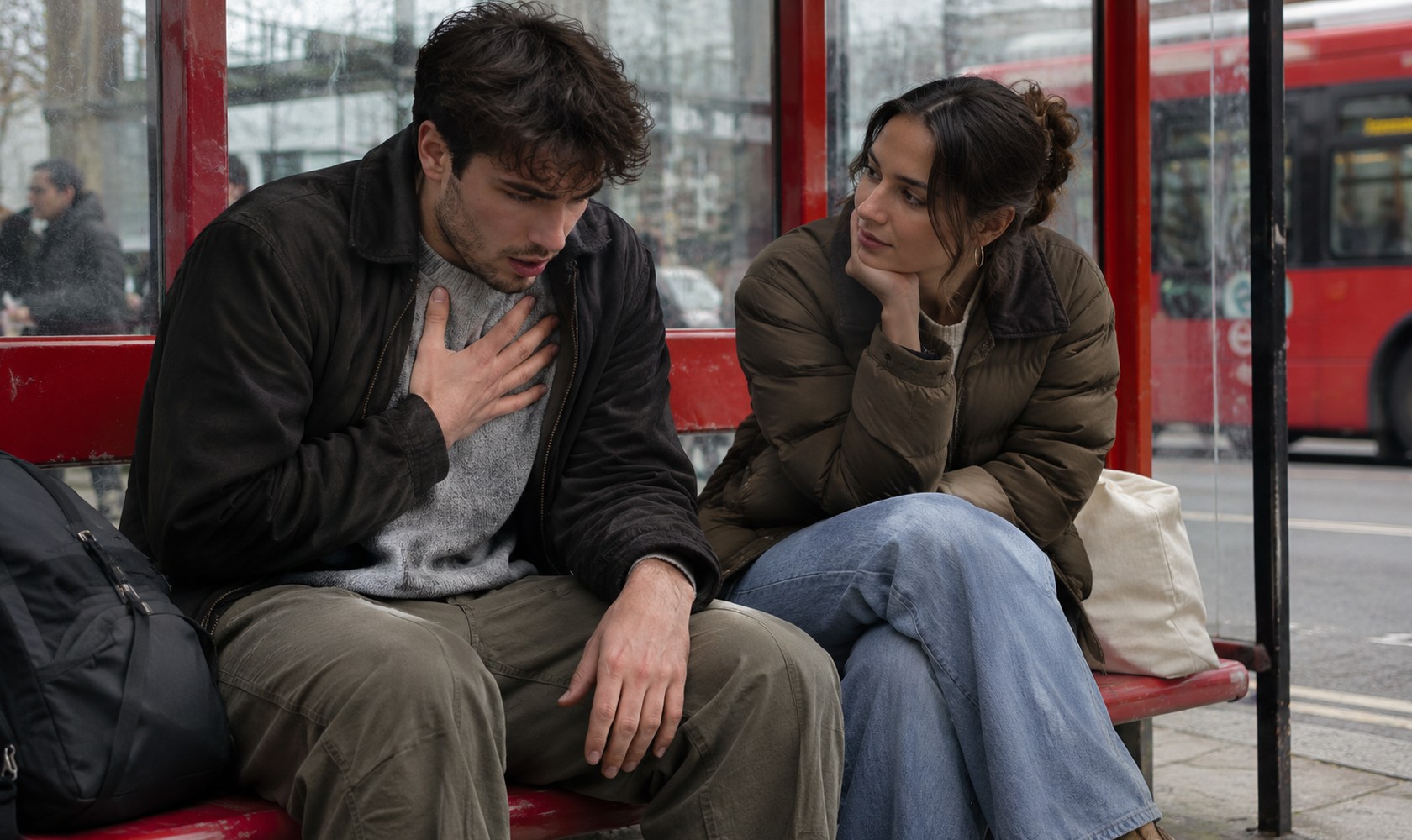
Panic can bring a pounding heart, sweating, shaking, nausea, chest discomfort, tingling, chills, warmth, or a sense of choking. Some people feel detached from themselves or as if the surroundings are unreal. Fear of dying or losing control can add to the intensity.
These sensations can arise through the body's threat-response system without an external danger that explains their strength. Calling that a false alarm can help explain the mechanism, but it does not make the experience imaginary or establish the cause without assessment.
If the pattern is familiar and a clinician has evaluated it, you can remind yourself that you have experienced these sensations before. Use a statement that reflects what you actually know rather than a promise that nothing bad could ever happen.
Pause activities that require steady attention
If symptoms begin while driving, find a safe place to pull over before focusing on a coping exercise. If you are cooking, make the stove and utensils safe. If you supervise children or another person, arrange a safe setting or ask someone to help.
A quieter place may make it easier to orient yourself, but you do not have to find a perfect room before you can cope. Sit if dizziness makes standing uncomfortable. Avoid rushing into traffic or another unsafe situation to escape the sensations.
Once the immediate episode settles, consider how to return to the activity in a manageable way. Repeated permanent escape from every setting associated with panic can strengthen avoidance. Treatment can help you plan that return rather than forcing it while you feel overwhelmed.
Let breathing become slower and easier
Try a gentle breath in and a comfortable breath out. If counting helps, use a short count that does not force you to hold or strain. A longer, relaxed exhale may feel easier than repeatedly trying to fill your lungs as much as possible.
Overbreathing can worsen lightheadedness or tingling. Avoid rapid deep breaths and do not breathe into a paper bag, particularly when the cause of breathlessness remains uncertain. Stop a technique that makes you feel worse and follow your care plan.
Practice the breathing pattern when you feel settled so it becomes familiar. During an attack, the purpose is to offer your attention a steadier task, not to prove that you can control every sensation within a fixed number of seconds.
Use a phrase that you can believe
A short reminder can interrupt catastrophic interpretations. Examples include I recognize this pattern, I can take the next safe step, or I do not need to solve everything right now. Choose wording that supports you rather than arguing with every thought.
Absolute reassurance such as nothing bad can happen may feel unconvincing and can discourage attention to genuinely new symptoms. A more accurate phrase acknowledges discomfort and your ability to use the plan without pretending to know more than you do.
You can pair the phrase with a slow exhale or repeat it once before turning attention outward. If repetition becomes a ritual that you believe must occur perfectly, discuss that with a therapist rather than adding more phrases.
Ground attention in the environment
Feel the chair supporting you or the floor beneath your feet. Look at an ordinary object and describe its color, texture, or outline. Notice a sound that remains present without searching for signs that your body has become dangerous.
Some people find body-focused meditation uncomfortable during panic because it increases attention to heartbeat or breathing. External grounding offers another option. You can use it with your eyes open and adapt it to the place you are in.
The goal is not to block out the episode completely. It is to widen attention so that the sensations do not become the only information your mind processes.
Try a sensory sequence if structure helps
A common grounding exercise moves through the senses: notice several things you can see, then things you can feel, sounds you can hear, and any ordinary smells or tastes. The familiar version uses five sights, four sensations, three sounds, two smells, and one taste.
You do not need to complete the sequence exactly. If you cannot identify a smell, move on. Do not eat or drink something unsafe simply to satisfy the last step, and avoid turning the exercise into another performance test.
A simple alternative is to describe one object in detail or name a few things around you. Choose the version that helps you stay oriented without creating more pressure.
Use imagery only if it feels helpful
Some people imagine the intensity rising and then falling, like a wave. Others picture a scale moving toward a calmer level as they breathe. Imagery can provide a way to understand change without treating the present sensation as permanent.
If visualization makes you monitor symptoms more closely or become frustrated that the imagined change does not happen, use another skill. No single exercise suits everyone, and an unsuccessful technique does not mean you cannot learn to cope.
Discuss the experience afterward with a therapist. They can help distinguish a useful practice from a safety behavior that keeps you convinced you would be unable to cope without it.
Allow time without imposing a deadline
Panic often rises quickly and reaches a peak within minutes. The strongest part can pass before the body feels fully settled, and some people remain tired, shaky, or worried afterward. A second surge can also make the overall experience seem longer.
A fixed time limit can create more fear if symptoms do not stop when expected. Instead, notice whether the pattern changes and follow the medical guidance you have received. Persistent, unfamiliar, or worsening symptoms deserve assessment rather than reassurance based only on a typical duration.
Afterward, give yourself a little time to recover before driving or resuming a task that needs concentration. Avoid treating exhaustion as evidence that you failed to use the technique correctly.
Tell someone how to help
A trusted person can stay nearby, listen, and ask what you need. You might ask them to speak slowly, help you find a safe seat, or remind you of your agreed plan. They do not need to argue you out of every fear.
Explain the plan before an event if you expect you may need support. Also agree on when to seek medical help. A friend should not diagnose new chest pain or severe breathing problems solely because you have had panic attacks in the past.
If you support someone else, avoid crowding them, touching without permission, or issuing repeated commands to calm down. Ask a simple question and give them space to answer. Seek urgent care when symptoms suggest an emergency or the person cannot remain safe.
Review the pattern after the episode
Write down what happened before the attack, which symptoms appeared first, what you feared, and what you did. Include caffeine, alcohol, other substances, medicines, sleep, and any physical illness that may matter. A short record can help without requiring constant body checking.
Recurrent unexpected attacks, ongoing fear of another attack, or avoidance that changes daily life can warrant assessment for panic disorder or another condition. Cognitive behavioral therapy can address interpretations of sensations and behaviors that maintain fear. A clinician may also discuss medication according to the diagnosis.
Ask treatment to help you return to valued activities, not only to create an emergency toolkit. Track whether you can travel, work, exercise, or meet people with more choice, even while some anxiety remains.
Sources
- National Institute of Mental Health. Panic Disorder: What You Need to Know. https://www.nimh.nih.gov/health/publications/panic-disorder-when-fear-overwhelms
- National Institute of Mental Health. Anxiety Disorders. https://www.nimh.nih.gov/health/topics/anxiety-disorders
Related reading
- Anxiety and Panic Attacks: How They Differ and When to Get Help
- Coping With Anxiety in Daily Life
- Health Guide
Medical Disclaimer: This content is provided for informational and educational purposes only and does not constitute personalized medical advice, diagnosis, or treatment. Always consult a qualified physician or licensed healthcare provider with any questions regarding a medical condition or prescription medication. Read our Editorial & Medical Review Policy.