
Premature Ejaculation: Causes, Assessment and Treatment Options

Premature ejaculation involves more than wishing that sex lasted longer. The pattern usually includes ejaculation sooner than desired, difficulty delaying it and distress or avoidance that affects sexual life. An occasional early ejaculation does not automatically establish a disorder.
It is common. Surveys often report that about one in three men aged 18-59 has experienced premature ejaculation at some point, although estimates depend on how researchers define the condition. Treatment can help, but no single technique or medicine guarantees the same improvement for everyone.
The pattern a clinician needs to understand
A clinician asks about timing, control and the effect on your life. Lifelong premature ejaculation often involves ejaculation before or within about a minute of penetration. An acquired problem begins after a period of different sexual function. The change from your previous pattern can matter as much as a stopwatch estimate.
Consider whether ejaculation happens earlier than you intend on most occasions, whether you can delay it and whether frustration or anxiety leads you to avoid sex. Experiences during masturbation may also help explain the pattern, although a single timing threshold should not diagnose every situation.
Describe erection difficulties separately. Some people hurry toward ejaculation because they worry that they will lose an erection. Others maintain an erection but struggle with ejaculation control. Recognizing both concerns helps a clinician select a treatment rather than assume that one tablet addresses every part of sexual response.
Psychological and physical contributors can overlap
Performance anxiety, stress, low confidence, guilt, depression and previous adverse sexual experiences can all contribute. Worry about ejaculating early may itself increase pressure during the next encounter. That feedback loop can make a treatable difficulty feel increasingly difficult to discuss.
Biological contributors can also require assessment. Inflammation or infection affecting the prostate or urethra may matter in some cases. Hormonal or other health concerns can justify investigation when symptoms point in that direction, but a person cannot diagnose a hormone deficiency from ejaculation timing alone.
Serotonin participates in the pathways that influence ejaculation. Medicines that affect serotonin can delay ejaculation in some patients, which explains one route to treatment. Describing serotonin as a simple happiness switch or assuming that every case reflects a low level misses the complexity of the response.
ED and premature ejaculation can share psychological or medical contributors. A clinician may need to treat erection difficulties first or address both conditions together. Improvement in erections may reduce the need to rush, but it does not guarantee that an independent ejaculation concern will disappear.
What therapy can address
Psychological or psychosexual therapy can help identify anxiety, beliefs and relationship patterns that add pressure. The work may include learning about arousal, discussing expectations and developing ways to communicate before frustration takes over. Treatment should address your actual concerns rather than assign blame to either partner.
A clinician may combine therapy with behavioral exercises or medication. That combination allows the treatment to address both control and the distress surrounding it. If a history of trauma contributes, a trained therapist can adapt the plan and avoid exercises that feel unsafe or overwhelming.
Behavioral techniques to discuss and practice
The stop-start technique involves pausing stimulation when ejaculation feels close, allowing the urge to settle and then resuming. Partners can agree on a clear signal for the pause. The aim concerns recognizing arousal and gaining control, rather than meeting a rigid time target during every attempt.
Some descriptions suggest repeating the pause several times before allowing ejaculation. Practice may happen alone or with a consenting partner. If the exercise turns into another performance test, reduce the pressure and discuss the problem with a clinician or therapist.
The squeeze technique adds brief pressure where the head meets the shaft when ejaculation feels imminent. The pressure should not cause pain. A person who finds squeezing uncomfortable can discuss stop-start practice instead; forcing an uncomfortable technique does not make treatment more effective.
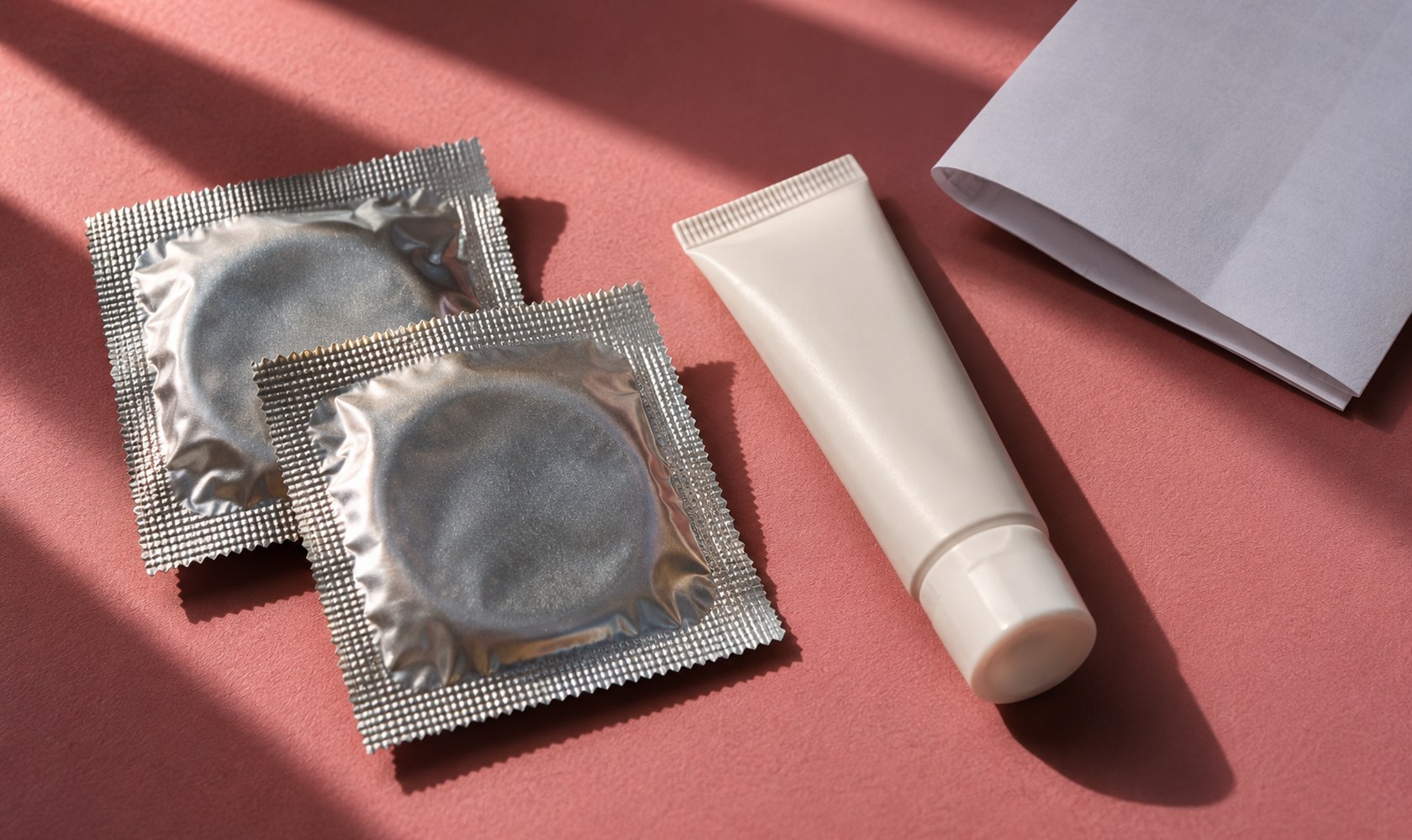
Condoms can reduce sensation for some men and may help with control. Product fit and comfort still matter. A person should use a condom according to its instructions rather than combine several condoms or improvise a method that damages the material.
Prescription treatment requires a specific plan
In the United States, clinicians use some medicines off label for premature ejaculation. Off-label use means the clinician prescribes an approved medicine for a purpose outside its approved labeling; it does not mean the patient should choose a product or schedule independently.
Selective serotonin reuptake inhibitors, or SSRIs, can delay ejaculation. Sertraline is one example. Clinicians may consider a daily regimen, and the effect can take several days to emerge and a few weeks to develop more fully. The prescribed schedule, side effects and follow-up plan require discussion before treatment starts.
An as-needed approach does not suit every SSRI or every patient. Do not borrow a partner's antidepressant, take an extra dose before sex or abruptly stop regular medication. The prescriber should explain what to do if the treatment does not help or produces unwanted effects.
Professional guidance also discusses topical penile anesthetics as a treatment option. These products reduce sensation but can cause numbness or transfer to a partner. Follow the specific product and clinician instructions about application, removal and condom use rather than applying an arbitrary amount.
| Treatment approach | What it targets | What to clarify |
|---|---|---|
| Psychosexual therapy | Anxiety, distress and relationship factors | The concerns to address and how progress will be assessed |
| Behavioral practice | Recognition and control of rising arousal | Comfort, partner agreement and how to avoid turning practice into pressure |
| Clinician-prescribed medication | Physiological pathways or a coexisting condition | Dosing, adverse effects, interactions and follow-up |
Where ED medicines fit
Sildenafil and other PDE5 inhibitors have approval for erectile dysfunction, rather than a general approval to prevent premature ejaculation. A clinician may consider an ED medicine when both conditions occur together. The choice should follow the assessment of erection function, medical history and other prescriptions.
A firmer erection does not automatically provide control over ejaculation. If treatment improves erections but the ejaculation problem continues, describe that result at follow-up. It helps the clinician separate the benefit you obtained from the symptom that still needs attention.
How to start the conversation
A primary care clinician or urologist can assess the pattern and discuss treatment. A qualified sex therapist may help when anxiety or relationship concerns play a part. Telehealth can make an initial discussion more convenient, although some symptoms or examination needs may require an in-person visit.
Before the appointment, note when the problem began, whether it happens consistently, what control feels like and whether erection difficulties accompany it. Include pain, urinary symptoms, medication changes and the impact on your relationship. A useful treatment plan should define the goal in terms of control, comfort and satisfaction, rather than promise a fixed number of minutes.
Sources
- American Urological Association and Sexual Medicine Society of North America. Disorders of Ejaculation guideline. https://doi.org/10.1097/JU.0000000000002392
- National Institute of Diabetes and Digestive and Kidney Diseases. Treatment for Erectile Dysfunction. https://www.niddk.nih.gov/health-information/urologic-diseases/erectile-dysfunction/treatment
Related reading
- Stendra and Avanafil: Uses, Timing, Doses and Side Effects
- Erectile Dysfunction: How It Happens, What to Check and Ways to Treat It
- Erectile dysfunction treatment options
Medical Disclaimer: This content is provided for informational and educational purposes only and does not constitute personalized medical advice, diagnosis, or treatment. Always consult a qualified physician or licensed healthcare provider with any questions regarding a medical condition or prescription medication. Read our Editorial & Medical Review Policy.