
Understanding Cold Sores: Symptoms, Spread, and Everyday Care

Cold sores are episodes of oral herpes, usually caused by HSV-1. The virus can remain in the body for years without visible symptoms and later cause a sore around the mouth. Recognizing the first warning signs can help you begin treatment promptly and avoid contact that might transmit the infection.
An episode does not tell you when infection occurred, and not everyone with HSV develops recognizable sores. The diagnosis carries more useful information about care and prevention than it does about anyone's personal history.
Why cold sores can return years after infection
After infection, herpes simplex virus remains in nerve cells. It can reactivate and travel back toward the skin, causing an outbreak. This explains why someone can develop a cold sore without a recent new exposure.
HSV-1 commonly causes oral infection, and HSV-2 more commonly causes recurrent genital infection. Either type can affect the genital area, and oral HSV-1 can transmit during oral sex. The virus type and the location of infection describe separate facts.
Many people acquire oral HSV-1 during childhood through close contact, although infection can occur later too. Some people never recognize an initial episode. The absence of a remembered childhood cold sore does not establish that an adult sore represents a new infection.
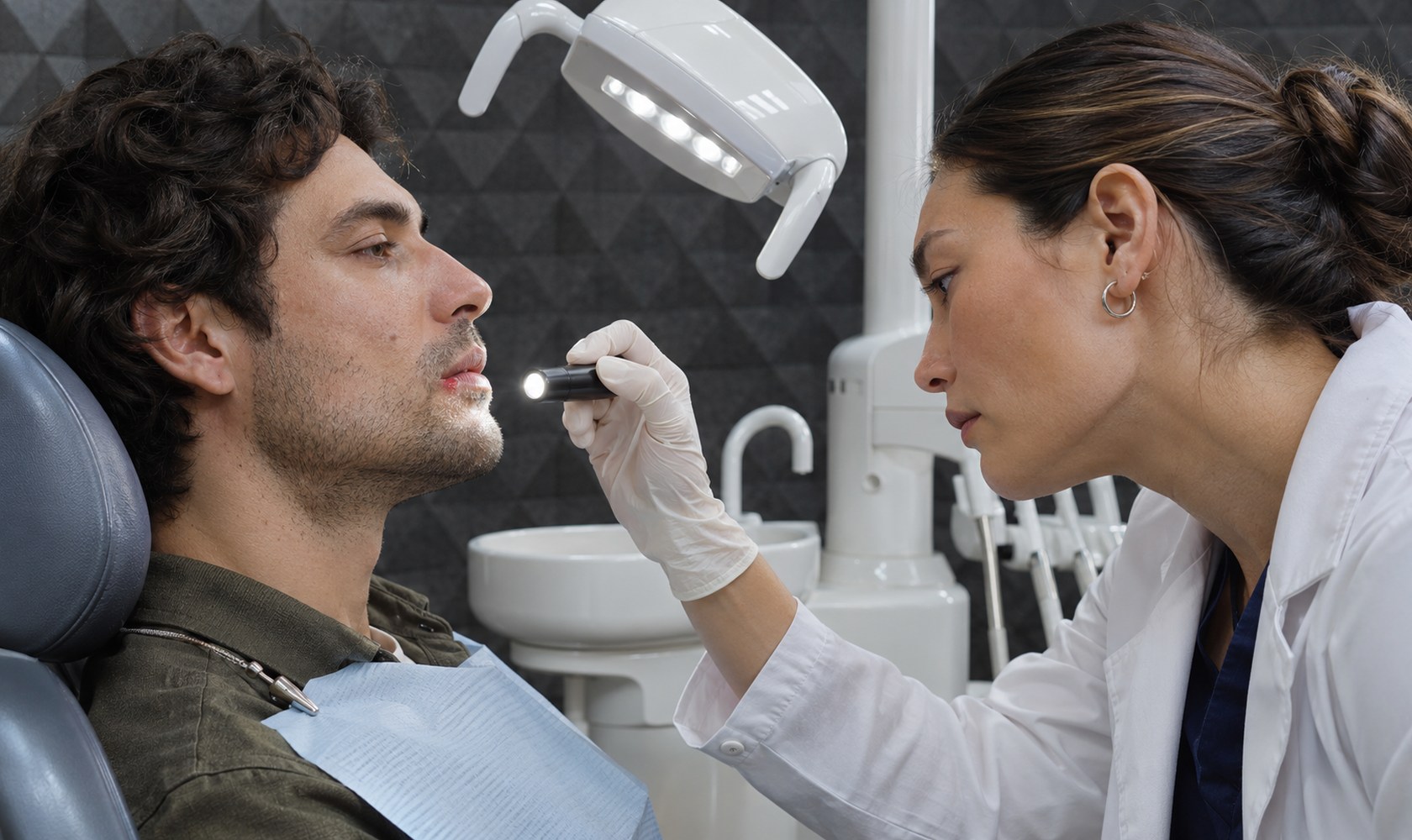
Follow the symptoms from tingling to healing
An episode may begin with itching, tingling, burning, or tenderness in a small area near the lip. Redness and clusters of fluid-filled blisters can follow. The blisters may open, ooze, crust, and gradually heal.
Many episodes resolve over about ten to fourteen days, though timing varies. Recurrent sores often affect a familiar area and may cause less widespread illness than a first episode. Do not pick at the crust or squeeze blisters to hurry the process.
A first recognized episode can include fever, body aches, headache, sore throat, or swollen glands. Some people develop painful areas inside the mouth as well. Difficulty drinking or signs of dehydration deserve medical attention rather than waiting for the sore to complete its usual course.
Understand the different ways contact matters
Kissing and direct contact with an affected area can pass oral HSV. Oral sex can transmit it to a partner's genitals. The risk is greater during an outbreak, including the warning period before an obvious blister appears.
HSV can also reach the surface without producing a visible sore. This asymptomatic shedding means that normal-looking skin cannot guarantee no transmission. It differs from latency, which describes the virus remaining in nerves between reactivations.
Avoid sharing lip products or objects that directly contact a sore or saliva during an episode. Direct intimate contact remains the main practical focus; routine social contact does not call for isolating yourself from everyone around you.
Check a new or unusual sore
A clinician can often recognize a typical recurrent cold sore from its appearance and history. They may swab a fresh lesion when confirmation would help. Not every lip lesion represents HSV, and an ulcer inside the mouth may have a different cause.
Seek an assessment if the location, severity, or duration differs from your usual pattern. Report spreading redness, worsening swelling, persistent sores, or symptoms near an eye. A photograph of the early stage can help explain how a lesion changed before the appointment, but it cannot replace every examination.
Blood antibody tests have limitations. They cannot reliably tell you when infection occurred or show that a particular sore came from HSV. Ask which question a proposed test answers and whether a lesion swab provides a more direct answer.
Choose treatment with a clear purpose
Antiviral treatment can shorten an episode and reduce symptoms, especially when you start at the earliest warning signs. It does not eliminate the virus. If episodes recur, ask about obtaining medicine and instructions before the next one begins.
Topical prescription options include acyclovir or penciclovir products. Docosanol provides a nonprescription option for suitable patients. Availability and instructions depend on the specific medicine; do not assume that every antiviral cream is available without a prescription.
Oral treatment may include valacyclovir, acyclovir, or famciclovir under a clinician's direction. Penciclovir is a topical option, not an oral cold sore tablet. The distinction matters when discussing what you have tried and what the next treatment could involve.
Kidney function, age, pregnancy, other medicines, and previous reactions can change the choice or dose. Use the instructions for your actual prescription instead of borrowing a schedule intended for genital herpes or another person's cold sores.
Make healing more comfortable
A cool compress, a cold drink, or another soothing food that you tolerate may ease discomfort. Plain petroleum jelly can help protect against cracking. Apply products with clean hands or a clean applicator and avoid touching the sore unnecessarily.
Do not scrub the area or use concentrated oils and harsh disinfectants. These can irritate damaged skin without treating the persistent virus. Ask about a suitable pain reliever if discomfort prevents sleep, eating, or normal activity.
If you use more than one product, check how they fit together. A protective ointment and an antiviral serve different purposes, but piling on creams can interfere with directions or worsen irritation. Stop and obtain advice if a product causes a concerning rash or swelling.
Notice triggers without trying to control everything
Some episodes follow sun exposure, illness, fatigue, stress, hormonal changes, or an injury near the mouth. A person who repeatedly develops cold sores after a dental procedure can discuss that pattern with the treating clinician before another procedure.
Sleep, regular meals, physical activity, and stress support can help general well-being. Lip sun protection may help someone whose episodes follow ultraviolet exposure. No routine can guarantee that the virus will remain inactive.
A recurrence does not prove that you failed to relax or that your immune system is defective. If episodes become frequent or severe, ask whether a preventive prescription strategy suits you rather than repeatedly adding restrictions to your diet and daily life.
Discuss prevention with the people it affects
Avoid kissing and oral sex from early warning symptoms until healing. Talk with a partner about cold sore history before sexual contact so you can choose precautions together. Condoms or dental dams can reduce some exposures but cannot cover every area of skin.
Wash your hands after touching a lesion and before touching your eyes. Avoid kissing a newborn when you have a cold sore. A baby's possible HSV symptoms need prompt pediatric assessment because infection in newborns differs from an ordinary adult recurrence.
If fear of transmission starts to dominate relationships, ask a clinician to explain the risks and the limits of precautions. Bring the questions that cause the most worry so the discussion addresses your actual circumstances rather than leaving you with a general instruction to avoid everything.
Sources
- American Academy of Dermatology. Cold sores: Diagnosis and treatment. https://www.aad.org/public/diseases/a-z/cold-sores-treatment
- DailyMed. Abreva - docosanol cream. Drug labeling. https://dailymed.nlm.nih.gov/dailymed/search.cfm?query=docosanol
- DailyMed. Valacyclovir. Prescribing information. https://dailymed.nlm.nih.gov/dailymed/search.cfm?query=valacyclovir
Related reading
- Herpes Treatment Research: Antivirals, Vaccines, and Gene Editing
- Sexual Performance Anxiety: Why It Happens and What Can Help
- Health Guide
Medical Disclaimer: This content is provided for informational and educational purposes only and does not constitute personalized medical advice, diagnosis, or treatment. Always consult a qualified physician or licensed healthcare provider with any questions regarding a medical condition or prescription medication. Read our Editorial & Medical Review Policy.