
UTI Symptom Relief: What Helps and When to Get Care

Burning when you urinate, repeated trips to the bathroom, and pressure above the pubic bone can point to a bladder infection. These symptoms deserve an assessment rather than several days of guessing which home remedy might work. Other conditions can cause similar discomfort, and a kidney infection needs a different response from an uncomplicated bladder infection.
Comfort measures can ease the wait for treatment. They cannot establish the cause or reliably clear a bacterial infection. A useful plan addresses both problems: relieve the pain and arrange appropriate care.
Recognize where the symptoms come from
A urinary tract infection develops when microbes, usually bacteria, infect part of the urinary system. Many infections affect the bladder. The kidneys also belong to this system, and an infection that reaches them can cause a more serious illness. Burning alone does not tell you which part needs treatment.
A bladder infection may cause urgency, frequent urination with little urine, discomfort in the lower abdomen, cloudy urine, or blood in the urine. A change in smell alone does not confirm an infection. Vaginal irritation, sexually transmitted infections, and other urinary conditions can overlap with these symptoms, so tell the clinician about discharge, itching, sores, or a recent sexual exposure.
Women develop bladder infections more often because their anatomy gives bacteria a shorter route to the bladder. Pregnancy, previous infections, sexual activity, menopause-related tissue changes, and problems emptying the bladder can influence risk. Diabetes, urinary catheters, stones that obstruct urine flow, and use of a diaphragm or spermicide can also matter. An infection still needs attention in someone without any of these factors; risk factors cannot replace a diagnosis.
Know when home care cannot wait
Fever, chills, pain in the back or side, nausea, or vomiting can suggest a kidney infection. Seek prompt medical care, especially if you feel increasingly unwell or cannot keep fluids down. Do not treat a fever and then assume that a lower temperature means the infection has cleared.
Pregnancy, immune suppression, kidney disease, or a urinary tract abnormality can change the evaluation and treatment. Contact a clinician promptly if any of these apply. Men with new urinary symptoms also need an assessment rather than borrowing a treatment previously prescribed to a partner.
Visible blood deserves discussion even when a bladder infection seems likely. Arrange follow-up if it continues after treatment. Severe pain, inability to urinate, confusion, or a rapid deterioration calls for urgent help rather than another trial of a pharmacy product.
Use fluids to support comfort
Drink enough to avoid dehydration unless a clinician has given you a fluid restriction. Water offers a practical choice. Forcing large volumes does not guarantee that you will flush out an infection, and it can make repeated bathroom trips more uncomfortable.
People with heart or kidney conditions may need an individual fluid target. Follow that advice instead of a universal instruction to drink a fixed number of liters. If nausea prevents drinking, tell the clinician; difficulty replacing fluids can affect where you need treatment.
Coffee and other caffeinated drinks can aggravate urgency for some people. Alcohol can also worsen discomfort or complicate medicine use. Notice what makes your symptoms worse and pause those drinks while you recover. Alcohol and caffeine are different substances; avoiding one does not automatically mean you have avoided the other.
Ease pain without mistaking relief for treatment
A warm heating pad against the lower abdomen may reduce aching. Keep a layer between the pad and your skin, use a comfortable setting, and follow its instructions. Heat can soothe soreness; it cannot kill bacteria or stop an infection from spreading.
Acetaminophen or ibuprofen may help with pain if you can take them safely. Check the label and your other medicines to avoid duplicate ingredients. Kidney disease, stomach ulcers, blood thinners, pregnancy, and other conditions can limit the options. A pharmacist can help you check a product before you take it.
Some urinary pain products temporarily reduce burning but do not treat the infection. Follow the product's duration limits and ask whether it suits your situation. Tell the clinician about everything you have used, even if the symptoms improve. A quieter bladder does not prove that a bacterial infection has resolved.
Get the cause checked before choosing antibiotics
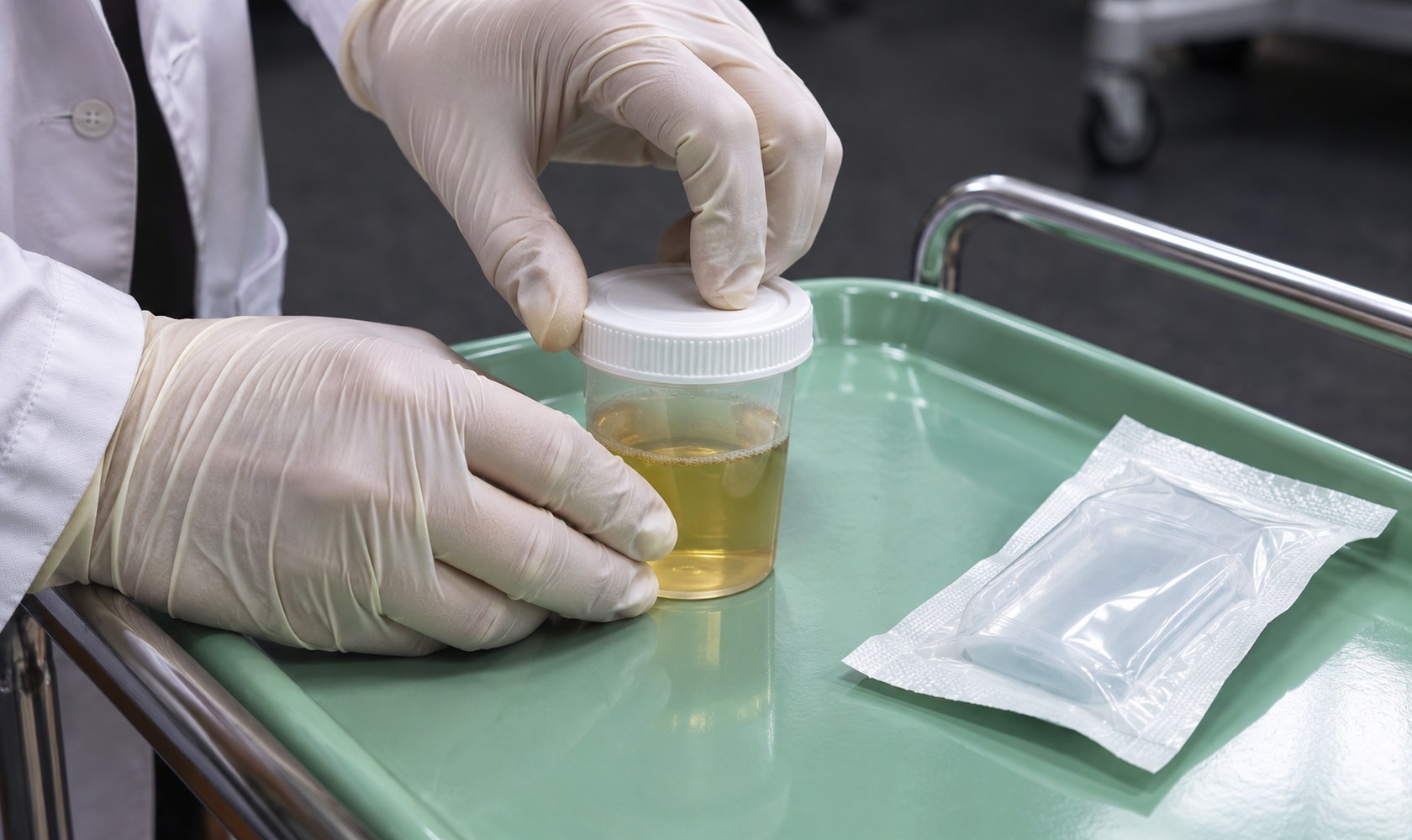
A clinician will ask when symptoms began, whether you have fever or back pain, and whether pregnancy or another health condition could affect treatment. They may request a urine sample. A urine culture can identify bacteria and help select a medicine when the situation calls for it, particularly with recurrent or more complicated infections.
Nitrofurantoin, trimethoprim-sulfamethoxazole, and cephalexin are among the medicines a clinician may consider in appropriate situations. They are not interchangeable choices for every infection, and a kidney infection requires a different assessment from a simple bladder infection.
Phenazopyridine is a urinary pain reliever that can temporarily ease burning. It does not treat the infection. Check its label, including duration limits and kidney-related precautions, and ask a pharmacist if it fits your health history.
Antibiotics treat bacterial urinary infections, but the right medicine and treatment length depend on the individual case. Allergies, previous cultures, kidney function, pregnancy, and recent antibiotic use can all change the prescription. Leftover tablets may target the wrong organism or supply too short a course.
Take an antibiotic exactly as prescribed. Do not share it or stop simply because the burning eases unless the prescriber changes the plan. Ask when you should expect improvement and whom to contact if it does not happen. Persistent symptoms may mean resistance, a different diagnosis, or a problem that needs another examination.
Put home remedies in their proper place
Cranberry products do not provide a dependable treatment for an active infection. Questions about preventing future infections differ from the immediate question of treating today's symptoms. Neither cranberry juice nor an herbal supplement should delay care for fever, flank pain, pregnancy, or worsening illness.
Avoid inserting products or applying harsh cleansers to the genital area in an attempt to disinfect the urinary tract. They can irritate tissue without reaching the infection. Gentle washing and comfortable clothing may help you tolerate symptoms while you follow the treatment plan.
After recovery, discuss repeated infections rather than repeatedly treating yourself. Bring dates, test results if available, and the names of previous antibiotics. That history helps the clinician distinguish separate infections from persistent symptoms and choose prevention measures that fit the cause.
Sources
- National Institute of Diabetes and Digestive and Kidney Diseases. Treatment for Bladder Infection in Adults. https://www.niddk.nih.gov/health-information/urologic-diseases/bladder-infection-uti-in-adults/treatment
Related reading
Medical Disclaimer: This content is provided for informational and educational purposes only and does not constitute personalized medical advice, diagnosis, or treatment. Always consult a qualified physician or licensed healthcare provider with any questions regarding a medical condition or prescription medication. Read our Editorial & Medical Review Policy.