
Vardenafil Dosage: Strengths, Timing and Adjustments

Vardenafil dosing depends on effectiveness, tolerability, health history, and interacting medicines. For many adults using conventional tablets for ED, the initial prescription is 10 mg about one hour before sex. A clinician may reduce the amount to 5 mg or increase it to 20 mg; some circumstances require 2.5 mg or a longer interval between doses.
The maximum recommended conventional-tablet dose is 20 mg, with no more than one prescribed dose per day. A more restrictive individual prescription takes priority over that general limit. Taking 40 mg to extend the effect is not an appropriate self-management strategy.
What the dose helps the body do
Arousal starts a chemical signal that increases cGMP in erectile tissue. That signal relaxes smooth muscle and permits more blood to enter the penis. PDE5 breaks down cGMP; vardenafil inhibits the enzyme and supports the response to sexual stimulation.
The medicine does not create sexual desire or force an erection without arousal. A patient with low libido, pain, severe performance anxiety, or a problem with orgasm may need assessment beyond the amount of an ED tablet.
Levitra supplied vardenafil as its active ingredient. Generic conventional tablets provide that medicine, but other formulations can have different exposure and directions. The name of the ingredient does not by itself establish that two products are interchangeable.
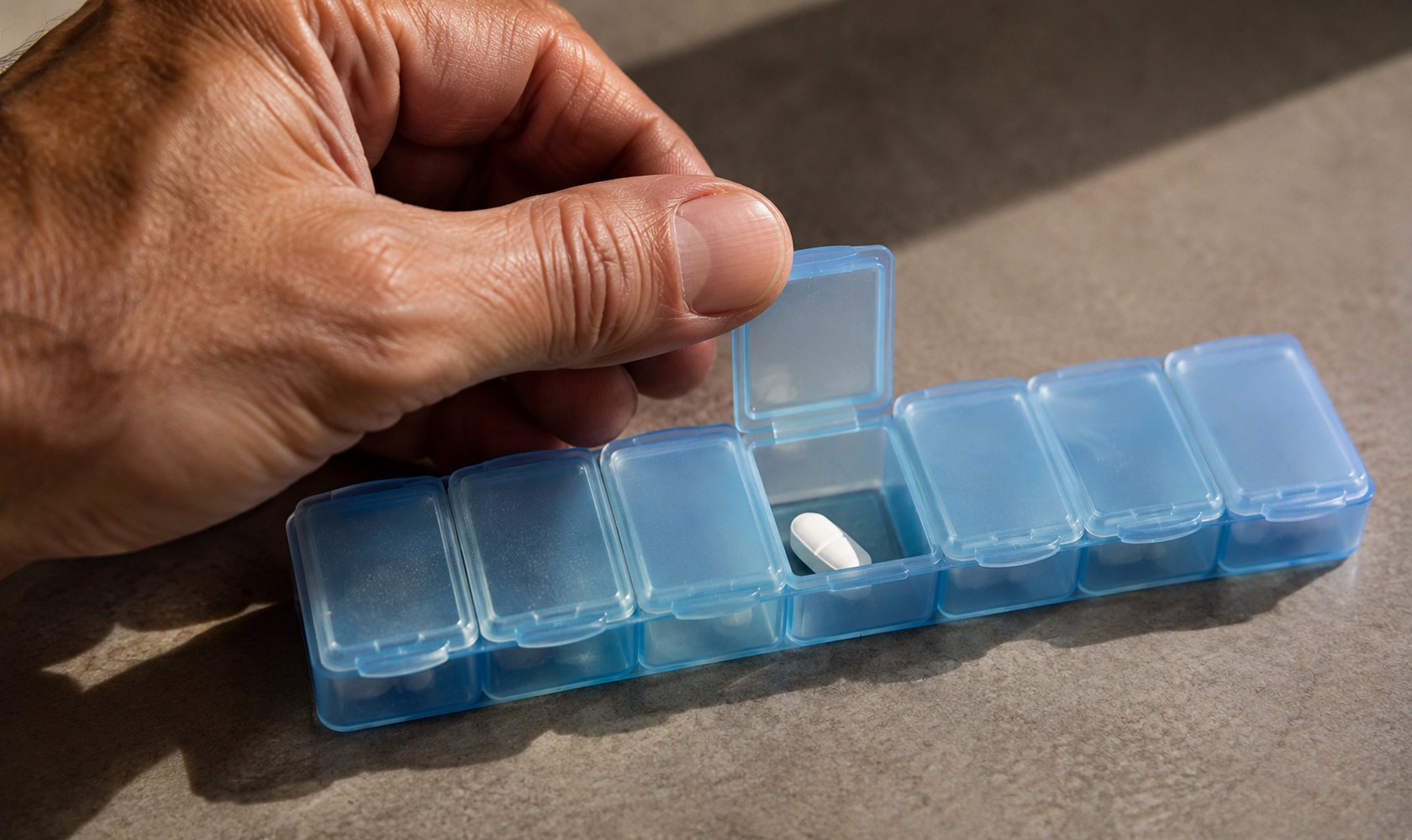
Conventional tablet strengths
| Amount | Possible prescribing context |
|---|---|
| 2.5 mg | A restricted amount in selected interaction-specific or other individualized plans. |
| 5 mg | A lower starting dose or a reduction when age, health factors, or tolerability warrant it. |
| 10 mg | The usual initial conventional-tablet dose for many adults after assessment. |
| 20 mg | The maximum recommended conventional-tablet dose when a clinician considers it appropriate. |
The available strength does not determine which dose a patient should take. A lower amount can provide adequate support, and a higher amount can add adverse effects without addressing the reason treatment seems ineffective.
Ask the pharmacist to confirm tablet count and total milligrams if the product changes. Do not assume that a dissolving tablet can replace a conventional film-coated tablet at the same nominal strength. Follow the formulation-specific directions.
Age, liver function, and other health factors
Older adults can have higher exposure at the same dose. The labeling advises considering a 5 mg starting dose in patients aged 65 or older. Age does not automatically require the highest or lowest amount; the full assessment still matters.
Moderate liver impairment can also support a lower starting dose and a lower maximum. Severe liver impairment and renal dialysis can make vardenafil unsuitable. A patient should not resolve those issues by taking a fraction of a tablet without a clinician's instructions.
Describe low blood pressure, recent cardiovascular events, unstable angina, heart failure, and symptoms with exertion. The clinician must assess whether sexual activity itself is advisable as well as whether an ED prescription fits.
Previous prolonged erections, sickle cell disease, leukemia, multiple myeloma, penile fibrosis, or Peyronie's disease can alter risk. A lower dose does not eliminate the need to discuss those conditions before treatment.
Interactions can change the amount and the interval
Nitrates, recreational nitrites called poppers, and riociguat must not combine with vardenafil. Choosing a small dose does not make those combinations safe. Tell the clinician about nitrate products kept for occasional chest pain, even if you rarely use them.
Alpha-blockers can add to blood pressure lowering. A clinician may consider vardenafil after confirming stability on the alpha-blocker and choosing a suitable starting amount. Other antihypertensive medicines also require review rather than an independent change in either prescription.
Medicines that inhibit CYP3A4 can slow clearance and raise vardenafil exposure. Some antifungals, antibiotics, HIV medicines, and products containing cobicistat fall into this group. The plan may restrict both the dose and the time before another dose.
For example, labeling for conventional tablets restricts exposure with ritonavir or cobicistat to no more than 2.5 mg in 72 hours. That is a clinician-managed interaction rule, not a schedule for other patients or a permission to combine the medicines without assessment.
People with congenital long QT syndrome or those using class IA or III antiarrhythmics should avoid vardenafil. The prescriber also needs to review other medicines that can affect the heart's electrical rhythm. Grapefruit belongs in the medication discussion because it may alter metabolism.
Timing and meals
Take a prescribed conventional-tablet dose approximately 60 minutes before anticipated sex. Sexual stimulation remains necessary. An early lack of effect does not justify another tablet, and a meal-related delay does not cancel the dose already taken.
Vardenafil can accompany food, but a very high-fat meal can reduce or delay the early concentration peak. If a particular dinner repeatedly disrupts timing, discuss a practical adjustment or another medicine. Do not compensate with more vardenafil.
The half-life is approximately four to five hours, and erection support can extend over several hours. Some studies have found benefit at later time points in selected patients. Neither half-life nor a study's response window permits another dose whenever the noticeable benefit fades.
A larger dose does not provide a reliable way to turn the medicine into an all-day treatment. If the schedule does not fit your sex life, the clinician can discuss a longer-acting option or another regimen rather than an excessive amount.
How response and adverse effects guide adjustment
Record whether you achieved sufficient firmness, maintained the erection, and had enough time for the planned activity. Also note meals, alcohol, stimulation, and anxiety. These details help separate an inadequate dose from another contributor to ED.
Headache, flushing, nasal congestion, indigestion, nausea, dizziness, and back discomfort can influence tolerability. Tell the clinician which symptoms occurred and how they affected normal activity. A lower amount may preserve benefit while reducing a reaction.
An erection lasting more than four hours requires emergency care, even without pain. Sudden sight or hearing loss, chest pain, fainting, severe breathlessness, or a serious allergic reaction also requires urgent assessment. A routine dose review is not the appropriate response to those symptoms.
If chest pain occurs, tell emergency clinicians when you last took vardenafil. Do not self-administer nitroglycerin or another nitrate after the dose. The treating team needs that information before choosing care.
When to consider a different treatment
Sildenafil offers another on-demand PDE5 option with a different dose range. Tadalafil can offer a longer window or a low-dose daily regimen for eligible patients. Avanafil provides another option with formulation- and dose-specific timing. Milligrams do not convert directly between them.
A vacuum erection device, alprostadil, counseling, or an implant assessment may suit someone who cannot use or does not benefit from oral medicine. Anxiety and relationship strain may need attention even when blood flow treatment helps.
Before changing products, confirm when the old medicine should stop, when the replacement should begin, and which directions supersede the previous label. Keep one current plan with the packaging so two different ED schedules do not coexist.
If the dispensing label and the appointment instructions differ, ask the pharmacist or prescriber to resolve the discrepancy before taking a dose. Confirm the total milligrams, tablet count, minimum interval, and what to do if the first appropriate attempt does not help.
Sources
- DailyMed: vardenafil prescribing information. https://dailymed.nlm.nih.gov/dailymed/drugInfo.cfm?setid=31be68b0-ac7e-42d0-9435-1f0a329b63d8
- MedlinePlus: vardenafil. https://medlineplus.gov/druginfo/meds/a603035.html
Related reading
- Sildenafil Dosage: How Clinicians Choose and Adjust Treatment
- Sildenafil 20 mg: Prescribing Context, Effectiveness and Precautions
- Sildenafil 100 mg: When the Maximum ED Dose May Fit
- Sildenafil: Uses, Timing, Safety and Treatment Options
- Is Sildenafil Safe? Health Conditions, Interactions and Precautions
- Erectile dysfunction treatment options
Medical Disclaimer: This content is provided for informational and educational purposes only and does not constitute personalized medical advice, diagnosis, or treatment. Always consult a qualified physician or licensed healthcare provider with any questions regarding a medical condition or prescription medication. Read our Editorial & Medical Review Policy.