
Can You Take 40 mg of Cialis for ED?

Do not take 40 mg of Cialis to treat erectile dysfunction unless a specialist has given a specific, appropriate instruction for a different clinical situation. The usual maximum as-needed ED dose is 20 mg, and the standard daily ED regimen uses much less. Doubling the maximum does not guarantee a stronger erection.
The distinction between uses matters. Tadalafil 40 mg appears in treatment for pulmonary arterial hypertension, often under the brand Adcirca. That prescription treats a different disease under a different plan. It does not establish a safe way to increase an ED dose.
Why the same ingredient can have different dose limits
Cialis contains tadalafil, a PDE5 inhibitor. It supports erectile blood flow during arousal and also has effects in other blood vessels and smooth muscle. Clinicians choose the dose according to the condition, formulation, other medicines, and the patient's ability to clear the drug.
For ED, the common as-needed starting dose is 10 mg. A prescriber may reduce it to 5 mg or increase it to 20 mg after reviewing response and tolerability. For daily ED treatment, the usual starting dose is 2.5 mg, with a possible increase to 5 mg.
BPH treatment commonly uses 5 mg daily. Pulmonary arterial hypertension may use a 40 mg daily tadalafil regimen under specialist care. Those numbers describe distinct indications rather than steps on a single scale of erection strength.
The tablets available for Cialis include 2.5 mg, 5 mg, 10 mg, and 20 mg strengths. Taking two 20 mg tablets produces 40 mg of tadalafil; it does not change the prescription's purpose or make the dose appropriate for ED.
| Reason for treatment | Common regimen described in prescribing information | Why it differs |
|---|---|---|
| ED as needed | Often 10 mg initially, adjusted to 5 mg or 20 mg | The clinician balances erection benefit with adverse effects |
| ED once daily | Usually 2.5 mg, possibly 5 mg | Repeated dosing maintains ongoing exposure |
| BPH or ED with BPH | Commonly 5 mg once daily | The plan also addresses urinary symptoms |
| Pulmonary arterial hypertension | A specialist may use 40 mg tadalafil daily | A separate disease and prescribing pathway determines treatment |
Your own safe limit can be lower than the usual ED maximum. Kidney disease, liver disease, strong metabolic inhibitors, or blood-pressure concerns may require a smaller amount, a longer interval, or a different treatment. Do not use the table as a personal dosing instruction.
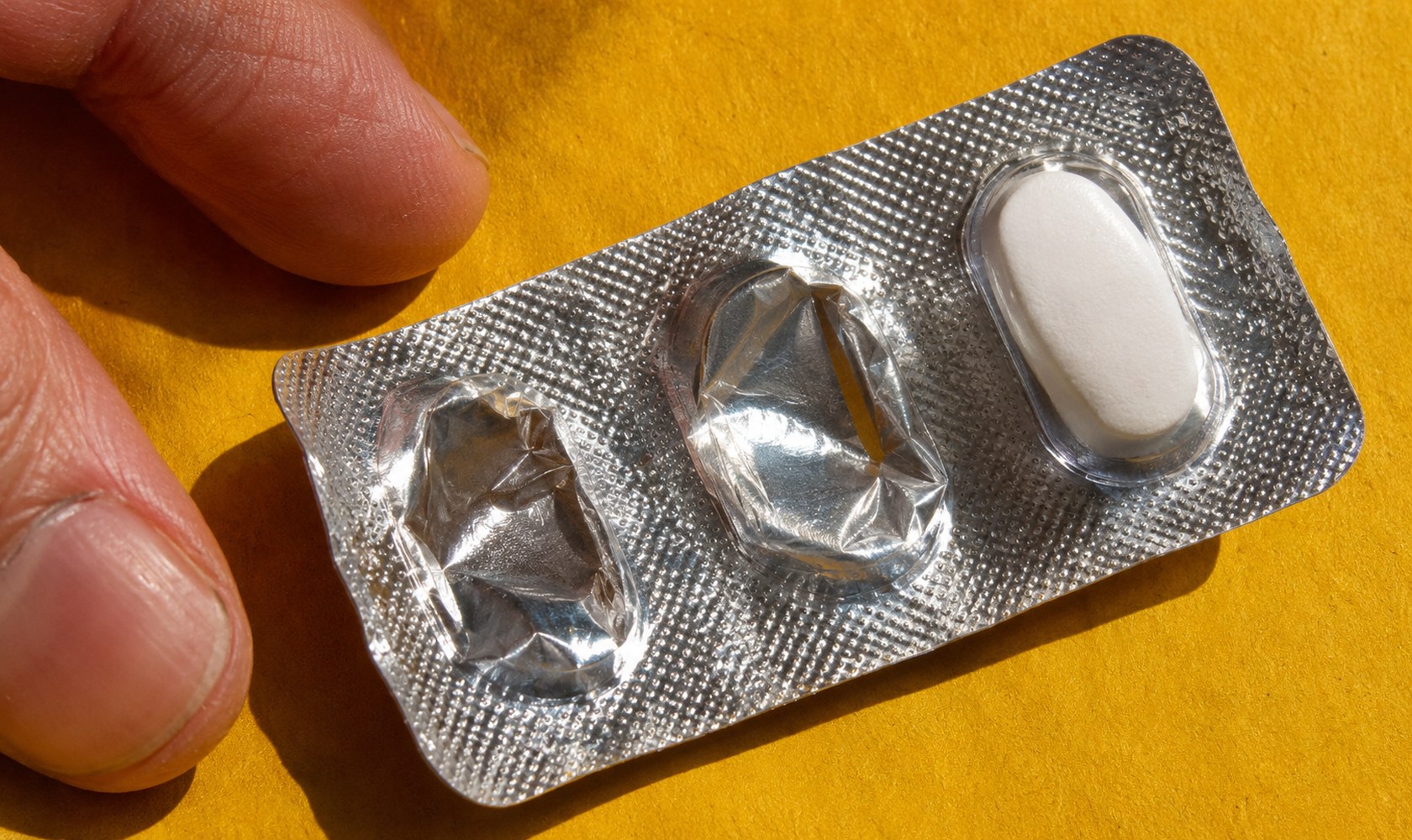
More medicine does not resolve every cause of ED
An erection depends on arousal, nerve signals, blood-vessel function, and the ability of erectile tissue to retain blood. Tadalafil supports one part of that process. It cannot force desire, repair every nerve injury, or override every source of performance anxiety.
The medicine inhibits PDE5, an enzyme that breaks down a chemical signal involved in smooth-muscle relaxation. That helps blood enter the penis when stimulation initiates the response. Without adequate stimulation, a larger amount may produce adverse effects without a useful erection.
Diabetes, atherosclerosis, heart disease, kidney disease, hormonal problems, neurological conditions, pelvic injury, prostate treatment, and medicine effects can contribute to ED. Anxiety, depression, stress, and relationship concerns can contribute too. Several factors often overlap.
A failure at the prescribed dose therefore needs a review of the situation. It does not prove that the body needs twice the maximum amount. A clinician may identify a timing issue, a different diagnosis, or a treatment that works through another mechanism.
The longer window does not justify redosing
Tadalafil can improve erectile function for up to 36 hours after an as-needed dose. This describes the opportunity to respond to stimulation, not a continuous erection or a guarantee of success throughout that period. Results differ between patients and encounters.
The drug remains in the body after the most noticeable effect weakens. Taking another tablet can add to the amount already present. A person who takes a second dose because the first attempt failed may create excessive exposure without solving the reason for failure.
Do not treat 24 hours as an automatic reset when your prescription requires a longer interval. Some interactions and organ-function problems lead to tighter limits. The dispensing label and prescriber's instructions take precedence over a general rule about once-daily maximum frequency.
Daily treatment also needs time to establish steady concentrations, commonly over about five days. An extra large tablet does not safely bring that process forward. Ask how long to assess the daily regimen before changing it.
What taking too much can cause
Headache, indigestion, flushing, nasal congestion, back pain, muscle aches, and limb discomfort can occur at prescribed doses. Increasing exposure may make some reactions more likely or more severe. Dizziness and low blood pressure become particular concerns when other substances add to the effect.
Serious symptoms include fainting, chest pain, sudden sight or hearing changes, a prolonged erection, or a severe allergic reaction. A person does not need to experience every symptom for the situation to require help. The amount taken, other medicines, and health history affect risk.
An erection lasting more than four hours requires emergency treatment even when it does not hurt. Priapism can damage tissue and future erectile function. Do not wait for tadalafil's long duration to end or assume that another orgasm will resolve the problem.
Stop treatment and obtain immediate medical attention for sudden vision or hearing loss. Seek emergency help for collapse, severe breathing difficulty, or chest symptoms. Tell the care team about tadalafil and any other ED medicine, supplement, alcohol, or recreational substance.
If you already took 40 mg for ED
Do not take additional tadalafil or another ED medicine. Contact a clinician, pharmacist, or poison advice service promptly for guidance based on the dose, timing, health conditions, and other substances. Keep the packaging available so the product and strength can be identified.
If you develop chest pain, fainting, severe weakness, breathing difficulty, sudden vision or hearing loss, or an erection lasting more than four hours, seek emergency care immediately. Do not drive yourself if you feel faint or unwell.
Do not self-administer nitroglycerin after tadalafil. Emergency clinicians need to know the time of the last dose before choosing treatment for chest pain. Do not hide the extra dose because you feel embarrassed; the information directly affects care.
Avoid experimenting with fluids, food, vomiting, exercise, or other medicines to remove the dose. A professional can advise whether observation or treatment is necessary. The absence of immediate symptoms does not establish that another tablet will be safe later.
Interactions that make a high dose more concerning
Nitrates such as nitroglycerin and recreational nitrites known as poppers must not accompany tadalafil. Riociguat also creates an unacceptable combination. These restrictions apply at ordinary doses and become no less relevant after an extra dose.
Alpha-blockers and other antihypertensive medicines can add to blood-pressure lowering. Strong CYP3A4 inhibitors, including ketoconazole, itraconazole, and ritonavir, can increase tadalafil exposure by slowing its breakdown. Certain antibiotics require review as well.
Other PDE5 inhibitors, including sildenafil, vardenafil, and avanafil, can overlap with tadalafil. A compounded chewable or sexual enhancement supplement may also contain an active ingredient that adds exposure. Tell the clinician about every product, including one that did not list its contents clearly.
Grapefruit can interfere with tadalafil metabolism. Substantial alcohol can worsen dizziness, headache, and low standing blood pressure while impairing erections independently. Neither offers a safe method for changing the treatment's strength or duration.
Check use before assuming the dose failed
Confirm the actual tablet strength and whether the prescription calls for daily or on-demand treatment. A 5 mg daily plan does not use the same timing as a 10 mg or 20 mg on-demand plan. A confusing supply or a recent switch can create mistakes that look like drug failure.
For on-demand treatment, allow the instructed lead time before sexual activity. Many patients need at least 30 minutes, and some find that more time gives a better practical opportunity. Do not judge the tablet after a few minutes or expect an erection without stimulation.
Check whether heavy drinking, recreational drugs, severe fatigue, or anxiety affected the encounter. These factors can interfere even when the medicine reaches the bloodstream. A second dose does not necessarily correct them.
Use medicine from a legitimate pharmacy. An unverified tablet may contain a different ingredient or an uncertain amount. Taking more to compensate for an unreliable product can create a serious dosing error if another tablet contains much more medicine.
Address psychological contributors directly
Performance anxiety can create a cycle: a difficult encounter increases worry, and worry makes the next erection less reliable. A person may then keep escalating medication even though the pressure surrounding sex remains the main obstacle.
Depression, generalized anxiety, stress, low self-esteem, and fear of intimacy can also affect sexual function. These contributors can coexist with physical disease. Discuss them without assuming that psychological involvement makes the problem imaginary.
A qualified therapist can help identify patterns, reduce unhelpful performance tests, and develop communication or coping strategies. The clinician may combine that work with medicine rather than require a choice between psychological and physical treatment.
Prevalence figures from selected studies do not diagnose an individual. A selected study population may show a high rate of depressive symptoms; that result does not establish that most men in the general population have depression. Describe your own symptoms and history instead.
Look for a medical explanation when symptoms persist
ED may accompany type 2 diabetes, cardiovascular or peripheral vascular disease, hypertension, kidney disease, multiple sclerosis, atherosclerosis, Peyronie's disease, or nerve injury. Pelvic surgery, prostate cancer treatment, and injuries to genital or pelvic tissues can also affect function.
A clinician may assess blood pressure, cardiovascular risk, medication effects, and selected laboratory findings according to the history. Sudden or persistent change deserves attention, particularly when it accompanies pain, exertional symptoms, or a new medicine.
Do not stop prescribed treatments because you suspect an erection side effect. The prescriber can review whether a substitute or dose change fits. Abruptly abandoning blood-pressure, mood, or other treatment can introduce a separate problem.
What the next treatment step may involve
If a properly used 10 mg dose offers partial benefit, the prescriber may consider 20 mg. If adverse effects limit treatment, the clinician may reduce the amount or change the regimen. Persistent difficulty at 20 mg calls for reassessment rather than self-escalation to 40 mg or 80 mg.
Other oral options include sildenafil, vardenafil, and avanafil. A specialist may discuss a vacuum erection device, locally administered medicine, counseling, or further investigation. The appropriate alternative depends on the cause of ED and which restrictions apply.
Regular exercise, smoking cessation, less heavy drinking, better sleep, and management of weight and cardiovascular risk can support erectile health. Choose realistic changes and review progress rather than expecting one habit to cure every case of ED. Bring your dose history and treatment response to the appointment so the next plan builds on evidence from your own experience.
If another clinician changes your medicines, revisit the ED prescription before the next dose. A new interaction can make an old dose inappropriate even when it caused no problem previously. Keep the current instructions with the labeled supply.
Sources
- MedlinePlus: tadalafil. https://medlineplus.gov/druginfo/meds/a604008.html
- DailyMed: Cialis prescribing information. https://dailymed.nlm.nih.gov/dailymed/drugInfo.cfm?setid=bcd8f8ab-81a2-4891-83db-24a0b0e25895
- Research and prescribing information. https://www.accessdata.fda.gov/apology_objects/abuse-detection-apology.html
- Tamsulosin versus tadalafil as a medical expulsive therapy for distal ureteral stones: A prospective randomized study. https://www.ncbi.nlm.nih.gov/pmc/articles/PMC5017565/
- Erectile dysfunction. https://www.ncbi.nlm.nih.gov/pmc/articles/PMC5027992/
- Factors associated with anxiety and depression in patients with erectile dysfunction: a cross-sectional study. https://pmc.ncbi.nlm.nih.gov/articles/PMC9899110/
Related reading
- Tadalafil and Cialis: uses and treatment choices
- Daily and as-needed tadalafil doses
- Tadalafil interactions
- Cialis and tadalafil side effects
- What to do when Cialis does not work
- Sildenafil treatment guide
- Erectile dysfunction treatment options
Medical Disclaimer: This content is provided for informational and educational purposes only and does not constitute personalized medical advice, diagnosis, or treatment. Always consult a qualified physician or licensed healthcare provider with any questions regarding a medical condition or prescription medication. Read our Editorial & Medical Review Policy.