
Genital Herpes Medications: Comparing Treatment Options

Prescription antivirals form the main treatment for genital herpes. Acyclovir, valacyclovir, and famciclovir can shorten outbreaks or reduce recurrences, depending on how you take them. Pain relievers and gentle skin care can help with discomfort, but they do not replace an antiviral when a clinician recommends one.
The choice involves more than finding the strongest tablet. A first episode, a recurrent outbreak, and daily suppression each serve a different goal and can require different instructions.
Set the treatment goal before comparing medicines
Genital herpes can involve HSV-1 or HSV-2. Both remain in the body after infection, and neither an oral antiviral nor a pharmacy cream removes that persistent infection. Treatment limits viral multiplication rather than erasing the virus from nerve cells.
During a first recognized episode, the goal includes helping sores heal and reducing the length and severity of symptoms. For a recurrence, early treatment can shorten an episode. Daily suppression aims to reduce how often episodes happen and may form part of a transmission-reduction plan.
Discuss how often you have symptoms, how painful they are, and what concerns you most. Someone with occasional mild episodes may want a different routine from someone whose recurrences repeatedly interrupt sleep or relationships. Kidney health, pregnancy, other medicines, cost, and convenience also influence the decision.
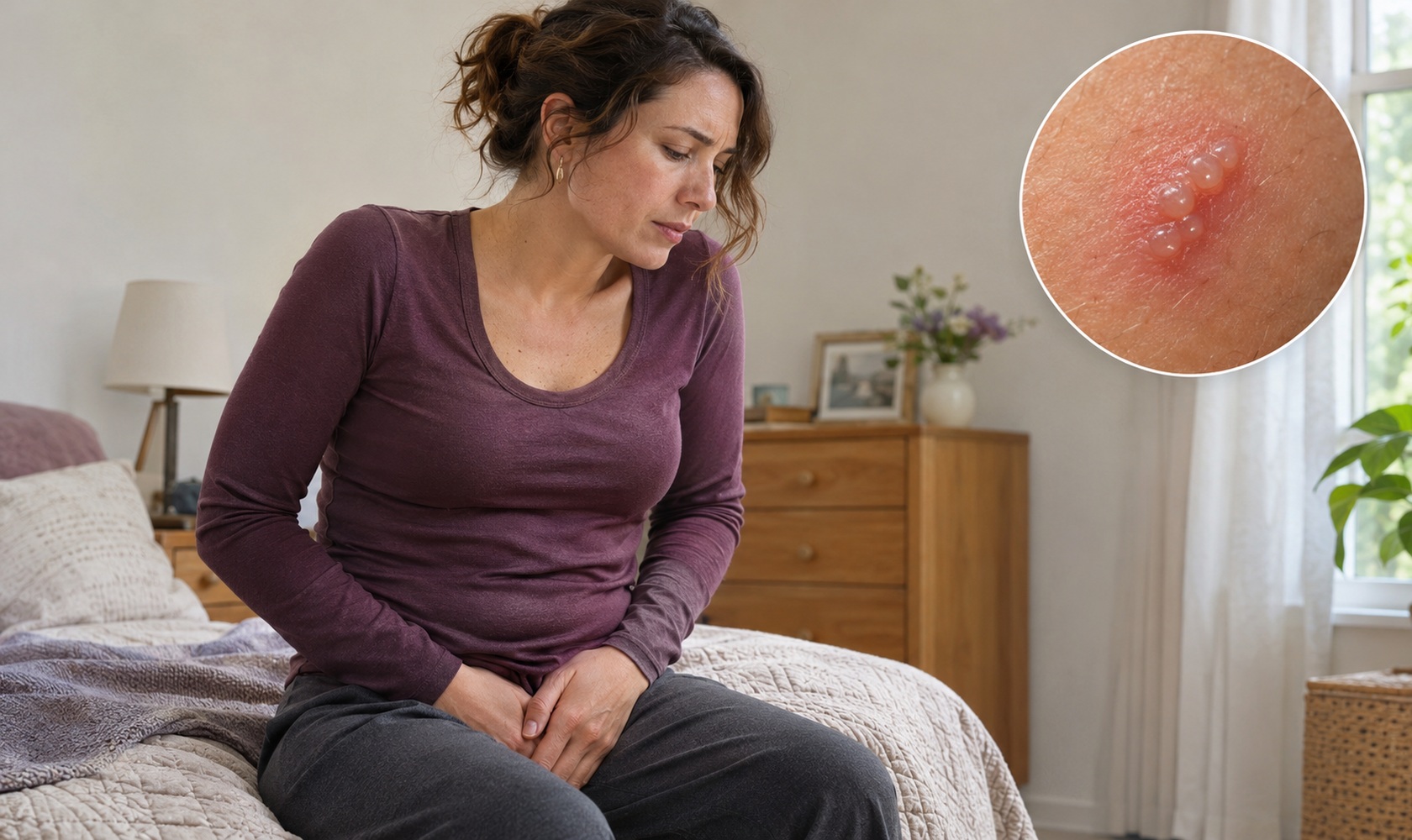
Acyclovir: a widely used oral option
Acyclovir interferes with viral DNA replication. Clinicians use it for first episodes, episodic treatment of recurrences, and suppression. Its dosing schedule may require more frequent tablets than some alternatives, which can matter if you struggle to take medicine during work or travel.
Common adult regimens in genital herpes guidance include 400 mg three times daily for seven to ten days for a first episode, 800 mg twice daily for five days for a recurrent episode, or 400 mg twice daily for suppression. These examples describe different treatment plans; they do not give permission to switch between them yourself.
The prescriber may change dosing for kidney impairment or other circumstances. Ask what to do if symptoms have not healed by the end of the course. Acyclovir's long history of use does not make another person's prescription suitable for you.
Valacyclovir: different absorption and scheduling
The body converts valacyclovir to acyclovir. Its absorption allows schedules that some people find easier to follow. It can treat a first episode, treat recurrences, or suppress genital outbreaks.
Examples of adult regimens include 1 g twice daily for seven to ten days for a first episode and 500 mg twice daily for three days for a recurrence. Suppressive regimens can use 500 mg or 1 g once daily, with the choice depending on circumstances. A lower daily regimen may provide less control for people with very frequent recurrences.
Daily valacyclovir also has evidence for reducing HSV-2 transmission in certain couples. It does not eliminate transmission risk, and that evidence does not mean every dose or every relationship carries the same result. Discuss barriers, symptom avoidance, and partner communication alongside the prescription.
Famciclovir: another option for outbreaks and suppression
Famciclovir offers another oral antiviral approach. Clinicians can use it for first episodes, recurrences, or daily suppression. A short recurrent-episode regimen may appeal to someone who recognizes warning symptoms and can start promptly.
Adult regimen examples include 250 mg three times daily for seven to ten days for a first episode, 1 g twice in one day for a recurrence, or 250 mg twice daily for suppression. A short course does not make the medicine suitable for every patient or every outbreak.
Tell the prescriber about kidney disease, previous reactions, and all other treatment. If a regimen differs from a familiar acyclovir or valacyclovir schedule, confirm the instructions rather than translating tablet counts from one medicine to another.
Compare schedules without turning examples into a prescription
| Treatment approach | Main purpose | Question for the prescriber |
|---|---|---|
| First-episode course | Treat a newly recognized symptomatic episode | Do I need an examination, swab, or an extended course if healing takes longer? |
| Episodic treatment | Start promptly when a recurrence begins | Which warning signs should trigger the first dose? |
| Daily suppression | Reduce recurrences and address selected transmission concerns | How will we review benefit, tolerability, and the ongoing need for treatment? |
Do not compare medicines by milligrams alone. Different drugs and regimens use different amounts. A larger number on a label does not establish a stronger or more appropriate choice.
Ask whether the plan changes during pregnancy, with kidney problems, or if you develop another illness. Keep separate written instructions for daily suppression and any clinician-directed breakthrough-outbreak plan so you do not accidentally combine schedules.
What nonprescription products can and cannot do
Acetaminophen or ibuprofen can reduce pain if you can take them safely. A pharmacist can review kidney disease, ulcers, blood thinners, pregnancy, allergies, and other factors that influence the choice. Check combination products to avoid taking the same ingredient twice.
Docosanol, sold as Abreva, treats cold sores on the face or lips. It is not a treatment for genital herpes and should not go on genital tissue. Topical genital antivirals offer limited benefit and do not replace recommended oral treatment.
Gentle washing, loose clothing, and avoiding friction can reduce irritation. Strong antiseptics, scented products, concentrated oils, and unapproved numbing mixtures can make sore tissue feel worse. Severe pain or difficulty urinating needs medical assessment rather than another topical experiment.
Be cautious with lysine, oils, and restrictive diets
Lysine supplements attract attention because of theories about amino acids and HSV. Studies do not establish a dependable regimen that prevents genital outbreaks or replaces antiviral care. A claim that some participants felt better does not prove that a supplement controls infection or prevents transmission.
Essential oils can irritate or damage tissue. Activity against a virus in a laboratory does not show that applying an oil to a genital lesion will safely treat a person. Avoid concentrated oils on lesions, and discuss supplements before using them alongside prescriptions.
Arguments about lysine and arginine also lead to food restriction. They do not justify removing otherwise nutritious foods such as legumes, whole grains, or other protein sources without a clear reason. A balanced eating pattern supports health; it does not eradicate HSV.
Make early treatment practical
If you use episodic treatment, ask for instructions and access to medicine before another outbreak begins. Antivirals work best when you recognize symptoms and start promptly. Keep the medicine in its original container and check expiry and storage instructions.
If you miss a dose, follow the medicine instructions or ask the pharmacist. Do not double doses to compensate unless a clinician specifically directs it. Keep a brief note of when you started, how symptoms changed, and any adverse effects so follow-up can address the actual response.
Daily suppression requires a routine you can maintain. Tell the prescriber if cost, scheduling, or side effects lead you to skip tablets. A workable plan provides more value than an idealized schedule you cannot follow.
Arrange review when the pattern changes
Seek assessment for a possible first episode, worsening symptoms despite treatment, lesions that do not heal, or frequent painful recurrences. Pregnancy, immune suppression, or a change in kidney health can require a different plan. Eye symptoms or severe illness need prompt attention.
Discuss nausea, headaches, or other suspected adverse effects rather than stopping and restarting different medicines without guidance. The clinician may review the diagnosis, dose, adherence, interactions, or another explanation for the sores.
Ask how the prescription fits with sex and partner protection. Avoid contact involving the affected area during warning symptoms and outbreaks, and discuss residual shedding risk after healing. No medicine removes the need for an informed conversation before sexual contact.
Sources
- Centers for Disease Control and Prevention. Genital Herpes - STI Treatment Guidelines. https://www.cdc.gov/std/treatment-guidelines/herpes.htm
- Centers for Disease Control and Prevention. Screening for Genital Herpes. https://www.cdc.gov/herpes/testing/index.html
Related reading
- Sex After a Herpes Outbreak: Healing, Risk, and Partner Decisions
- UTI Symptom Relief: What Helps and When to Get Care
- Health Guide
Medical Disclaimer: This content is provided for informational and educational purposes only and does not constitute personalized medical advice, diagnosis, or treatment. Always consult a qualified physician or licensed healthcare provider with any questions regarding a medical condition or prescription medication. Read our Editorial & Medical Review Policy.