
Understanding Genital Herpes: Symptoms, Testing, and Living With HSV

Genital herpes can cause recurrent sores, but many people carry the virus without recognizing an outbreak. The absence of visible symptoms does not settle whether someone has HSV or whether transmission can occur. Learning what tests and treatments can establish makes the diagnosis less confusing.
A positive result does not describe your character or predict your relationships. It gives you information that can guide symptom care, conversations with partners, and decisions about preventing transmission.
Separate the virus type from the infection site
Herpes simplex virus has two types, HSV-1 and HSV-2. HSV-1 often causes cold sores around the mouth, while HSV-2 commonly causes recurrent genital infection. Either type can infect the genital area. Oral sex can pass oral HSV-1 to a partner's genitals.
The distinction matters because recurrence and shedding patterns can differ by type and location. A clinician can explain the likely course after testing. A general label such as positive for herpes may leave out information that affects your treatment choices.
HSV stays in nerve cells after the initial infection. It may reactivate later and travel to the skin or mucosal surface. Some reactivations cause symptoms; others do not. The virus remaining in nerves, called latency, is different from asymptomatic shedding at a surface where contact can transmit it.
Recognize an outbreak without diagnosing every irritation yourself
Genital herpes may begin with itching, burning, tingling, or tenderness. Blisters can open into sores, and urine passing over irritated skin may sting. A first recognized episode can also bring swollen glands, fever, or body aches.
Not everyone develops that full pattern. Some people notice a small crack, a tender patch, or a lesion they mistake for an ingrown hair. Other conditions can cause similar symptoms, including irritation, other infections, and skin disorders. An examination helps avoid choosing treatment for the wrong problem.
The first outbreak you notice does not necessarily mark the day or month you acquired HSV. An infection can go unrecognized for a long time. Neither a new sore nor a blood test can automatically prove a recent exposure or establish that a partner has been unfaithful.
Understand how contact transmits HSV
Direct contact with an infected area can transmit herpes during vaginal, anal, or oral sex. Kissing can spread oral herpes. Contact may transmit the virus even when the skin looks normal because shedding can occur without pain, tingling, or visible sores.
Risk does increase around active symptoms. Pause sexual contact involving the affected area from the first warning signs through healing. A condom or dental dam reduces exposure to covered tissue, but it cannot cover every area that may shed the virus.
Everyday proximity does not carry the same risk as intimate contact. Do not organize your life around avoiding shared rooms or ordinary social contact. For oral outbreaks, avoid sharing lip products and other items that directly contact the sore or saliva; focus prevention on the contact that actually matters.
Choose testing that fits the question
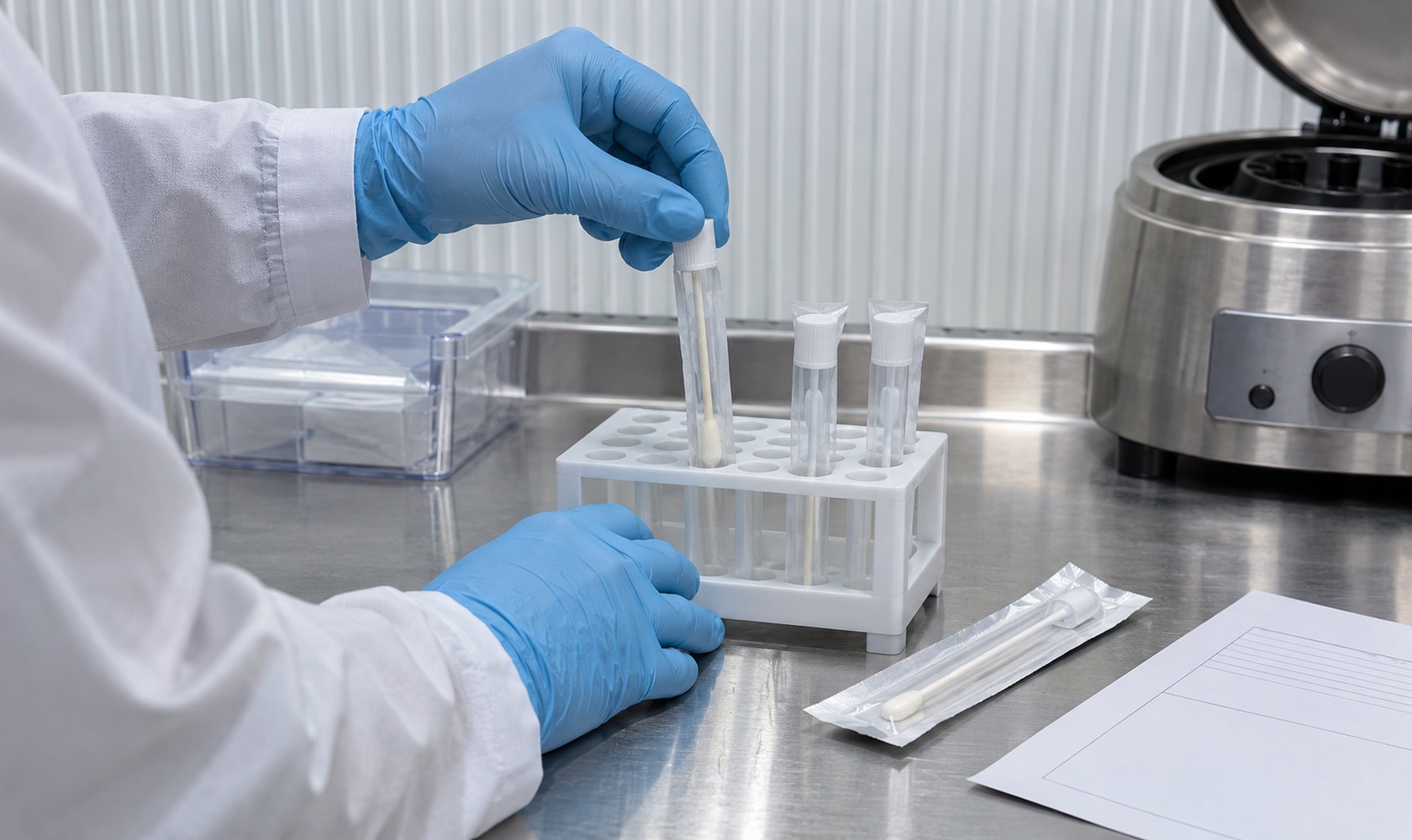
A swab from an active genital lesion can detect HSV and identify its type. Arrange assessment while the lesion remains present rather than waiting until the skin looks normal. A negative result from an older or healing lesion may not answer every question.
Blood tests look for antibodies. They can miss an infection before antibodies develop, and some results require confirmation because false positives occur. An HSV-1 antibody result does not establish whether infection affects the mouth or genitals. Ask what a proposed test can show before you order a broad panel.
Routine blood screening for everyone without symptoms does not necessarily provide a useful answer. Testing decisions depend on symptoms, partner history, previous results, and the reason for concern. A clinician can also discuss other sexually transmitted infection tests that fit your history rather than assuming one HSV result covers everything.
Match treatment to the pattern of symptoms
Oral acyclovir, valacyclovir, and famciclovir can control genital outbreaks. They interrupt viral multiplication, which helps reduce symptom duration and severity. They cannot eliminate the infection from nerve cells or promise that symptoms will never return.
Episodic treatment starts when an outbreak begins. It suits some people with infrequent recurrences, particularly when they recognize early warning signs and have medicine ready. Ask when to start and how to contact the prescriber if the episode behaves differently from usual.
Daily suppressive treatment aims to reduce recurrences. It may also form part of a transmission-reduction plan, with the evidence and regimen depending on the circumstances. Discuss how often symptoms occur, how much they affect you, kidney health, other medicines, cost, and the schedule you can realistically follow.
Build routines that make outbreaks easier to tolerate
Gentle washing, loose clothing, and avoiding friction can reduce irritation while sores heal. Ask about pain medicine if discomfort disrupts sleep or urination. Do not apply harsh antiseptics, concentrated oils, or a lip cold sore treatment to genital skin without advice.
Sleep, physical activity, regular meals, and stress support can help you feel better overall. Some people notice outbreaks around fatigue or illness. Others find no clear trigger, and an episode does not prove that they neglected their health.
Supplements and strict food exclusions do not provide an established cure. Before spending money on a product that promises to remove HSV, ask what human evidence supports it and whether it interacts with your medicines. A claim about laboratory antiviral activity does not establish that applying or swallowing a product will safely treat a person.
Discuss HSV before sexual contact
Choose a calm time to tell a partner what you know about the infection, which symptoms you recognize, and what precautions you use. Leave space for questions. A conversation before sex gives both people a chance to make informed choices rather than trying to resolve risk during an intimate moment.
Explain that treatment and barriers reduce risk without eliminating it. Avoid promises based on appearance alone, such as saying the virus cannot spread because you have no sores. If a partner wants testing, a clinician can help them understand the limitations and choose an appropriate approach.
Stigma can make this discussion harder than the medical facts. Counseling, a trusted support group, or a clinician can help you practice the conversation and address shame. Seek more support if worry begins to interfere with sleep, work, relationships, or your sense of safety.
Know when the care plan needs another look
Contact a clinician about a possible first episode, sores that fail to heal, frequent painful recurrences, or symptoms that worsen despite treatment. Difficulty passing urine, severe illness, eye symptoms, or immune suppression can require more urgent assessment.
During pregnancy, report a known HSV history and any new symptoms to the maternity team. A first infection late in pregnancy needs prompt attention. The team can plan medication and delivery decisions around the timing and symptoms rather than treating every pregnancy with HSV as the same situation.
Keep a copy of test results and your outbreak instructions. Bring them when you change clinicians, start a new medicine, or reconsider daily suppression so the next decision rests on your actual history.
Sources
- Centers for Disease Control and Prevention. Genital Herpes - STI Treatment Guidelines. https://www.cdc.gov/std/treatment-guidelines/herpes.htm
- Centers for Disease Control and Prevention. Screening for Genital Herpes. https://www.cdc.gov/herpes/testing/index.html
Related reading
- Cold Sore Treatments: Antivirals, Symptom Relief, and Prevention
- Genital Herpes Medications: Comparing Treatment Options
- Health Guide
Medical Disclaimer: This content is provided for informational and educational purposes only and does not constitute personalized medical advice, diagnosis, or treatment. Always consult a qualified physician or licensed healthcare provider with any questions regarding a medical condition or prescription medication. Read our Editorial & Medical Review Policy.